Latest Posts

Oyster Shooter for an Oyster Lover’s Holiday

Forget chocolate and champagne. This Valentine’s Day it’s all about oysters. With their rough, irregular shells and mottled, gray-green coloring, oysters may not seem like the sexiest looking fare. Yet, they have long been considered one of the world’s foremost aphrodisiacs. Ever since the Greek goddess of love, Aphrodite, rose from the sea in an oyster shell, folks have equated this bivalve with love.

The most coveted of all mollusks, oysters have been culinary darlings for centuries. Their heyday came in the 19th century when quantities were high and costs were low. At that time diners in North America and Great Britain consumed them as if there was no tomorrow. A slew of oyster-based dishes, including Oysters Rockefeller and Oysters Bienville, came into being. Whether eaten on the half-shell or in a prepared dish, folks just couldn’t get enough of those delectable shellfish.
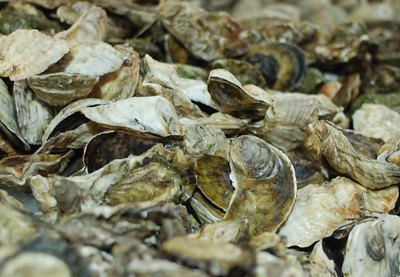
Unsurprisingly, overconsumption led to shortages and higher prices. Fortunately, the oyster market has rebounded. Now farmed rather than gathered in the wild, their numbers remain high while their costs stay relatively low.

Think that oysters are too complicated or time consuming for your Valentine’s Day feast? Think again for oysters respond well to a wealth of quick and simple cooking methods. I can grill them in their shells or steam or saute them in a stockpot. I can also stuff them with herbs and bake them or coat them with breadcrumbs and pan or deep-fry them. I can make them into seafood soups and stews as well as casseroles and pies. If pressed for time, I can always resort to the three “S”’s: Scrub, shuck and serve them the on the half-shell with a squeeze of fresh lemon juice. Elegant and easy, they’ll woo with one bite.

Similarly, oysters partner nicely with a variety of flavors. Butter, cayenne, chives, cream, garlic, lemon juice, parsley, shallots, soy sauce, thyme and white wine all compliment their briny taste.

When selecting oysters, I consider size as well as shell. The smaller the oyster is, the tenderer it will be. In terms of shells, live oysters should have solid, closed shells. If slightly ajar, they should snap shut when tapped. If they rattle when I shake them, I toss those out. In all likelihood they’ll contain dead oysters.

Oysters can be stored in the refrigerator for up to a week. Before slipping them into the fridge, I simply place them in a bowl and cover them with a damp towel. If at all possible, I use them right away. I live by the adage “faster usage, better flavor.”

When I don’t feel like fiddling around with oyster knives and shells, I buy already-shucked oysters. Before taking them home, I check to ensure that the oysters’ liquid appears clear, not murky. I may also pick up canned, frozen and smoked oysters in grocery, gourmet and seafood stores.

OYSTER SHOOTERS
Makes 6 shooters

Legend has it that oyster shooters originated in San Francisco during the gold rush era. During that time miners reputedly slipped seasoned oysters into their whiskey glasses and downed the two together. A creative way to kick off your Valentine’s dinner, these one-shot wonders won’t fill you up or leave you tipsy.

Kosher salt, for decorating rims of shooters or shot glasses
6 oysters, cleaned, shucked and liquid reserved
¼ teaspoon freshly ground black pepper
6 teaspoons Tabasco or other hot sauce
6 ounces chilled vodka
juice of ½ lemon
special equipment: 6 shooters or shot glasses

On a small plate or cutting board make a mound of Kosher salt. Wet the rims of the shooters or shot glasses and dip them into the salt. When finished, you’ll have six salt-rimmed glasses. Place an oyster and its liquid in each glass. Sprinkle equal amounts of ground pepper on the oysters. Add 1 teaspoon of Tabasco followed by 1 ounce of chilled vodka and equal amounts of lemon juice to each glass. Serve immediately.
Authentic Mexican

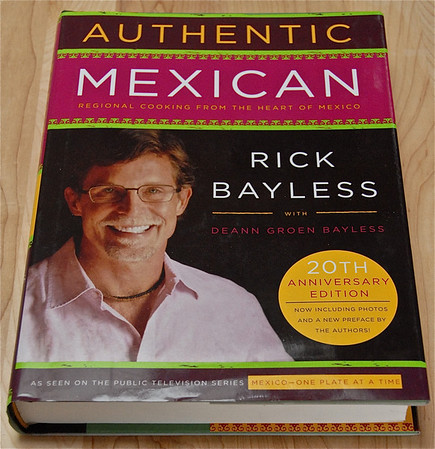
Often I can spin a good yarn about my introduction to a cuisine — that first bite of a warm, soft, sugar-dusted crepe on the frost-covered steps of Paris’s Sacre Coeur or the initial, swoon-inducing sip of sweet mint tea in the chaotic main square of Marrakech. Unfortunately, my early experiences with Mexican food aren’t quite as romantic. That life-changing taste of guacamole came not from a bustling taqueria in the Yucatan but at a nondescript Chi Chi’s in Youngstown, Ohio. While neither exotic nor terribly authentic, it kicked off a lifelong love of Mexican fare. Now, when I crave this cuisine, I reach for Rick Bayless’s Authentic Mexican (William Morrow, 2007). Originally published in 1987, this classic cookbook provided me with my first, real taste of Mexican cooking.

Before writing Authentic Mexican, chef and restaurateur Rick Bayless and his wife spent years living, traveling, eating and cooking in Mexico. While there, he developed an encyclopedic knowledge of traditional, regional foods. It’s knowledge that he shares easily in this 384-page tome. Whether you’re a seasoned or novice cook, you’ll find this a highly approachable book.

Over 20 chapters Bayless covers such standard courses as appetizers, soups, salads, fish/meat/poultry, desserts and drinks. He also explores such uniquely Mexican offerings as salsas, tacos, enchiladas, tamales and moles. With each recipe he provides, as he calls them, “traditional variations” and “contemporary recipes” so that home cooks can substitute ingredients with ease. Such is the case with Seviche de Sierra or lime-marinated mackerel with tomato and green chile. Thanks to his handy sidebars, cooks may consider serving the mackerel seviche on crisp tostadas or replacing the fish altogether with shrimp or scallops.

In addition to detailed recipes Bayless offers fascinating histories and anecdotes about regions, meal courses, ingredients and techniques. He also includes a glossary of ingredients and equipment. That’s one of the things that I adore about this book. I not only learn how to make credible Mexican food but also garner an education about Mexico and how its citizens live, cook and eat. If I didn’t love to cook, I could read Authentic Mexican as a culinary history. It’s that thorough and interesting.

Along with color photographs, illustrations accompany the recipes. With this book I never wonder how to roll a corn husk properly or what the grinding stone metate looks like. All the necessary information is right in front of me.

Whether I’m hankering a simple taco or complex mole, I always find what I want in Authentic Mexican. It’s my go-to book for reliable recipes and traditional Mexican fare.

Food Fit for Pharoahs

Pyramid at Giza

A pyramid at Giza, Egypt

As a child, I dreamt of becoming an international correspondent, dodging bullets to get the story that would change the world for the better. Instead of global strife I’ve ended up with a safer beat, covering culinary trends. Every now and then, though, my childhood fantasy collides with my adult reality and a place that I’ve visited or topic on which I’ve reported shoots to the top of the day’s headlines. Such is the case with Egypt.

Last fall I spent several weeks in this ancient North African land. During my stay I talked to locals about politics, education, and, of course, food. Strangely enough, I had known the least about the cuisine. Although I had researched it before leaving, I had found little on that topic for Egyptian cuisine often gets lumped under the heading of Middle Eastern or Mediterranean cooking. While both in the Middle East and along the Mediterranean, Egypt nonetheless possesses its own distinct flavors and history.

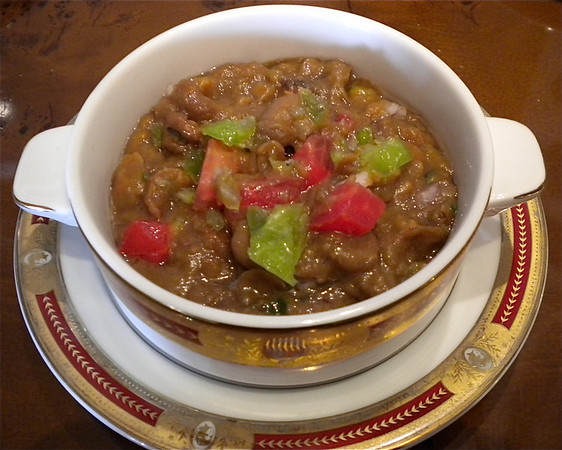
ful medammes

Ful medammes for breakfast in Egypt

Take, for instance, ful medammes. This traditional dish of fava beans dates back to the pharoahs, who made offerings of these and other legumes to the gods. Today the beans are boiled, mashed and mixed with onions, herbs and spices before being served to diners as breakfast or a snack. Start your day with a protein-packed bowl of ful medammes and hunks of soft pita and you’ll have enough energy to climb a pyramid or two.

Legumes pop up again in koushari. Featuring lentils and/or chickpeas, pasta, short-grain rice, onions and a spicy tomato sauce, koushari has been called the national dish of Egypt. You will find this hearty specialty in homes, restaurants and koushari stalls throughout the country.

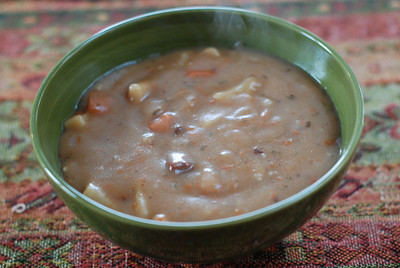
Egyptian vegetable stew

Vegetable stew, rice and pita along the Nile

Also seen everywhere is shorbat molokhiya, a leafy, green herb soup. Native to Egypt, molokhiya reputedly cured a sickly, 10th century, Tunisian caliph of his illnesses. Rumor of the herb’s amazing curative properties spread across the land. Fearing shortages, Egyptian rulers forbade the lower classes to cook with it. Times have changed and you can enjoy this delicate soup anytime, anywhere. However, if herb soup doesn’t sound appealing, look for wholesome, vegetable-based stews. These stews or tageens frequently contain legumes as well as root vegetables such as garlic, onions and potatoes. Paired with rice or a salad and bread, they’re a meal in themselves.

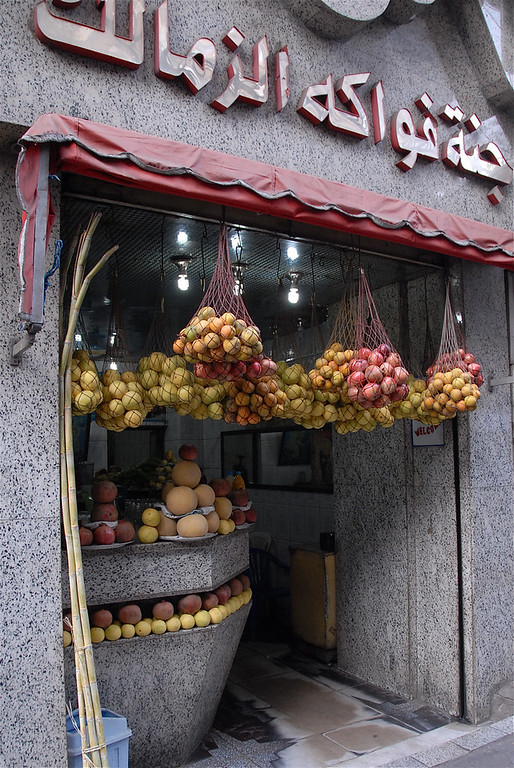
Juice bar in Cairo

Juice bar in Zamalek neighborhood of Cairo, Egypt

From what I experienced Egyptians seem to love sweets as much as I do. Creamy custards, honeyed semolina cakes and crisp filo pastries showed up everywhere from patisseries and upscale cafes to simple street stalls. One of the treats that I enjoyed the most was mahallabiyaa. Made from milk, ground rice, rose water, almonds, pistachios and walnuts, this light, cinnamon-dusted custard dates back to the era when corn wasn’t available in Egypt. Hence why this ethereal pudding was – and still is – thickened with ground rice.

The feasting doesn’t end with desserts. Among the common, healthful snacks enjoyed are roasted, sugar-coated chickpeas, toasted pumpkin seeds, fresh dates, figs and pomegranates. Likewise, seasonal smoothies and juice drinks made from bananas, mangoes, melons, cactus pears and carrots can be purchased on almost every main street.

FUL MEDAMMES
Serves 6

1 pound fava beans, shelled and skins removed
6 cloves garlic, roughly chopped
Juice of 1 lemon
1 tablespoon ground cumin
2 tablespoons parsley, chopped
1 teaspoon salt
Freshly ground black pepper, to taste
1-2 tablespoons olive oil
Pita bread, optional for serving
hard boiled eggs, optional for serving

Place the fava beans in a stock pot filled with 6 to 8 cups of boiling water. Boil the beans, uncovered, for 1 1/2 hours, then add the garlic. Continue to cook for another 30 minutes or so, until the beans are tender. During these 2 hours you may need to periodically add water. However, by the end of the cooking time, most of the liquid should have evaporated.

Remove from heat then mash the beans and garlic. Add the lemon juice, cumin, parsley, salt and pepper, and stir to combine.

Spoon the ful medamme into a medium-sized bowl and drizzle with olive oil. Serve alongside warmed pita bread and/or chopped hard boiled eggs.

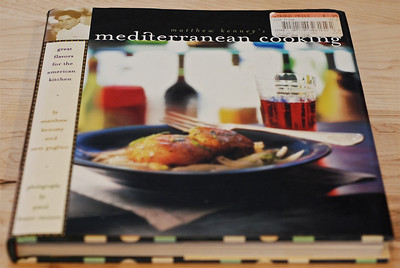
Matthew Kenney’s Mediterranean Cooking

Long before he became the king of raw foods, NY chef and restaurateur Matthew Kenney wrote a highly approachable cookbook on Mediterranean cuisine. Filled with vibrant photos, stories and recipes, Matthew Kenney’s Mediterranean Cooking (Chronicle Books, 1997) took readers on a culinary journey through such colorful countries as Morocco, Spain and Lebanon. It’s a trip that I’ve taken many times for Matthew Kenney’s Mediterranean Cooking is yet another beloved cookbook on my kitchen shelf.

So often Mediterranean cookbooks focus on a few countries; France, Italy and Greece usually are the standard ones. Yet, in Kenney’s book, less familiar but no less extraordinary places such as Tunisia and Turkey also have their day. Sure I can still find Greek moussaka, French ragout and Italian biscotti but I can likewise locate recipes for Lebanese kibbeh, Turkish lamb dumplings and Tunisian couscous salad. In Matthew Kenney’s Mediterranean Cooking the known and the exotic come together for some fabulous meals.

Kenney’s recipes combine a variety of countries’ signature ingredients, creating highly flavorful, aromatic dishes. For example, Italy’s salsa verde gets seasoned with Middle Eastern cumin and cilantro for Middle Eastern salsa verde. North Atlantic salmon is preserved with Mediterranean spices for cumin-cured salmon. Even India’s basmati rice receives the Mediterranean treatment, resulting in basmati pancakes with saffron, honey and mint.

Along with his creative pairings and exciting locales I appreciate Kenney’s explanations of ingredients and flavor affinities. Never once do I wonder why dried fruit ends up in a meat stew or how yogurt acts as a marinade. Sidebars dedicated to these topics – and more – accompany each recipe. Additionally, suggestions for sides – i.e. serve cumin-cured salmon with tahini yogurt sauce or warmed flat bread – accompany many dishes.

Simplicity has long played a role in my love of this book. Not one of these recipes requires a great amount of time or skill to make. Take, for instance, Moroccan spiced carrots. I toast a handful of pine nuts, cut and saute some carrots, and mix together a few, easy-to-find spices. Toss everything together in a bowl and dig in. Simple and fast!

Beauty also influences my appreciation of Matthew Kenney’s Mediterranean Cooking. Gorgeous, sun-drenched photos of food, cheery cafes and bustling kitchens pop up throughout the book. Here I receive a feast for the eyes as well as for the stomach.

Whether you crave exoticism or hunger for quick, tasty recipes, take a peek at Matthew Kenney’s Mediterranean Cooking. Chances are it will become one of your favorite cookbooks, too.

Stewing over Winter

It’s another cold morning on the East Coast, one that leaves me with little desire to step outside and into the latest snowstorm. On days like this I start rooting through my freezer, searching for ingredients for a warm, hearty stew. A one-pot wonder, stew consists of slow-cooked vegetables and fish or meat and the thick, savory liquid in which these ingredients simmer. Although I’ve consumed this nourishing dish since early childhood, it still remains my favorite way to add some heat to wintry afternoons.

Most stews were born out of necessity, using whatever items cooks had on hand. In the case of Irish stew, these staples included old, economically unviable sheep, or mutton, along with potatoes and onions. Beginning with mutton, Irish cooks of yore would place equal parts of meat, potato and onion in separate layers in a large casserole or kettle. They added a pinch of salt and pepper, poured in enough water to cover the layers, and clamped a lid on the kettle. They then set the concoction over an open fire and left it to simmer for two to three hours. Once the mutton and potatoes were tender and the stewing liquid had thickened and become infused with juices, dinner could be served.

Little of this recipe has changed since the stew became Ireland’s national dish in the early 1800s. Today, it is more commonly made with lamb, not mutton, and it simmers on a stove or cook top instead of an open fire. Otherwise, it’s the same nurturing repast from generations ago.

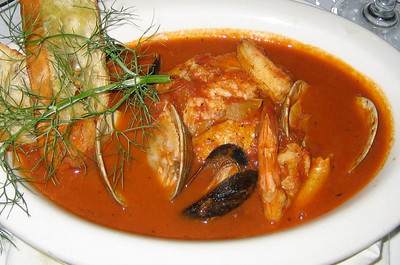
Similar to Irish stew, bouillabaisse began when French fishermen tossed their least worthwhile catch into big cooking pots. Along with the unmarketable fish and a generous dose of olive oil and water, they dropped onions, garlic, tomato and fennel into the cauldrons. Ladled into bowls and eaten with slices of grilled or crusty bread, aromatic bouillabaisse satisfied Marseille fishermen in the rawest weather.

Unlike its one-meat Irish counterpart, bouillabaisse demands a wide assortment of seafood. Firm-fleshed fish such as halibut and eel that are perfect for eating in chunks, flakier fish such as hake and sole that disintegrate and create a sumptuous broth, and inexpensive shellfish all find their way into the pot.

While Irish stew and bouillabaisse may be lovely, they aren’t the only dishes to make. When cooking for a carnivorous crowd, I might offer Spanish cocido with its salted meats, chicken, sausage and chickpeas, or Belgian waterzooi, which features chicken, leeks, potatoes and eggs. Likewise, I could dip into the delicacies of the American South and serve game-filled Brunswick stew or burgoo. The possibilities seem endless for almost every country warms up with its own take on stew.

BOUILLABAISSE
Serves 4 to 6

2 tablespoons olive oil
1 leek, cleaned and minced
1 celery stalk, washed and chopped
1 fennel bulb, quartered, cored and chopped
1/2 cup white onion, chopped
3/4 teaspoon salt
1 bay leaf
1/4 teaspoon saffron threads
1/4 teaspoon freshly ground black pepper
1/8 teaspoon dried basil
4 cloves garlic, grated
1/2 cup dry white wine
1 tablespoon tomato paste
1 1/2 cups canned chopped tomatoes with their juices
2 1/2 cups vegetable stock
3 tablespoons olive oil
12 littleneck clams, washed and scrubbed
6 mussels, scrubbed and beards removed
3/4 pound halibut, tilapia or flounder, cut into 1-inch chunks
1 pound shrimp, shelled and deveined
chopped fresh parsley, optional

In a large saute pan heat the oil. Add the leek, celery, fennel and onion, sprinkle the salt over top and saute the vegetables until softened but not browned, about 5 minutes. Add the bay leaf, saffron, black pepper, basil and garlic and saute for two minutes. Pour in the white wine and allow to simmer for 5 minutes before adding the tomato paste, tomatoes and the vegetable stock. Cover and simmer for 15 minutes. Taste and add more salt and ground black pepper if needed.

Place 3 tablespoons of olive oil in a large stockpot and heat on medium-high. Tumble in the clams and mussels, cover and cook for 2 to 3 minutes, shaking the pot periodically so that the shellfish cook evenly. Add the broth, bring to a boil and then reduce the heat to medium. Add the halibut, tilapia or flounder and allow to cook for another 2 minutes before tossing in the shrimp. Allow the fish and shellfish to cook for an additional 3 minutes or until done. Remove any unopened mussels and clams, sprinkle the optional chopped parsley over top and ladle into bowls. Serve with a baguette or crusty white bread.

Make It Quick . . . Banana Bread!

Thanks to a dozen brown bananas over-ripening on my kitchen counter, I spent a good chunk of last weekend making loaf after loaf of banana bread. I could just as easily have baked dozens of banana muffins or even a few coffeecakes. They all fall into the same category of baked goods known as quick breads.

As their name indicates, quick breads are made quickly. Unlike with white, whole wheat, rye and other yeast breads, I don’t while away hours letting the dough rise. Likewise, I don’t spend precious time kneading it. I simply mix the ingredients together, pour the batter into a greased pan and allow the loaf to bake.

The absence of yeast is what gives quick breads their short prep time. A living organism, yeast requires a draft-free, warm environment of between 70 to 85 degrees Fahrenheit. It also needs moisture and food, such as sugar and starch, to grow. As it grows, it gives off carbon dioxide, which causes the dough to rise. The first rise can take anywhere from one to two hours. After that initial growth period the dough might be formed into loaves or it might call for a second rise. Once the bread is formed, it has to rise yet again before being baked. Truthfully, a better name for yeast breads might be ‘slow breads.’

In quick breads the leavening agent is baking powder or baking soda or a combination of both. When moisture is added to either, the rising process starts immediately. Hence why these breads come together so swiftly.

Along with speed I appreciate the versatility of these breads. Depending on what I have on hand, I can add fresh or dried fruits such as pears, apples, bananas, dried apricots, blueberries or cranberries to the batters. I can include savory ingredients including cheese, olives, bacon, herbs and beer. I can even feature vegetables such as zucchini, hot peppers and pumpkins. Nuts, raisins, and chocolate chips are also good additions.

When making quick breads, I follow a few basic rules. I always mix the dry and wet ingredients together until just combined. If I stir the ingredients until the batter is smooth, I’ll end up with tough breads, cakes or muffins. Before pouring the batter into the pan, I fold in any fruit, nuts or chocolate chips. Lastly, no matter what I bake, I always use the toothpick method to determine when muffins, cakes or breads have finished baking. With this I just insert a toothpick into the center of my baked good. If the toothpick comes out without any batter or crumbs clinging to it, I can remove my treat from the oven. Easy and quick!

Since I have baked so many loaves that I can now recite the recipe in my sleep, I’ll share my soft, banana-laden bread this week.

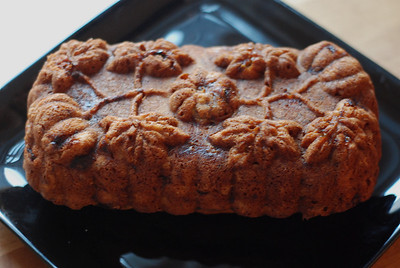
BANANA BREAD
Makes 1 loaf

1 1/3 cups all-purpose flour
1/2 teaspoon baking soda
1/4 teaspoon baking powder
3/4 teaspoon salt
5 tablespoons unsalted butter, at room temperature
2/3 cups plus 1 1/2 teaspoons granulated sugar
2 large eggs, whisked
1/2 teaspoon vanilla extract
Drop of banana extract, optional
3 very ripe/brown bananas, mashed

Preheat the oven to 350 degrees Fahrenheit. Grease a 9-inch loaf pan and set aside.

In a large bowl sift together the flour, baking soda, baking powder and salt. Set aside.

With an electric mixer beat the butter until light and fluffy. Add the sugar and beat again until well incorporated. Slowly add the dry ingredients, mixing until blended. Add the eggs, vanilla and optional drop of banana extract and mix until incorporated. Fold in the bananas until just combined. Spoon the batter into the prepared pan and bake until a toothpick inserted in the center of the loaf comes out clean, about 50 minutes. Remove the pan from the oven and place on a wire rack to cool for 15 minutes. Remove the bread from the pan, return the bread to the rack and allow it to cool completely before cutting or wrapping.

Hot Sour Salty Sweet

If you live with someone who grew up eating a specific cuisine, chances are that you either avoid cooking that food or beg and plead to learn the special techniques and recipes from that person’s family. In my case I first avoided then pestered and finally amassed a slew of books on Southeast Asian cooking. While no Asian cookbook can replicate the kind of skilled, hands-on instruction that my husband’s Vietnamese step-father provides, Jeffrey Alford’s and Naomi Duguid’s Hot Sour Salty Sweet comes close. With over 175 recipes from Vietnam, Cambodia, Laos, Thailand, Burma and southern China their book details the cuisines of the Mekong River region.

Broken into 12 chapters, Hot Sour Salty Sweet looks at what everyday people living along the river eat. It covers everything from spicy hot sauces and warming soups to vibrant street foods and refreshing drinks and sweets. Rice and rice dishes as well as noodles and noodle dishes have their own chapters. Likewise, salads, vegetables, meats and seafood receive their due.

For each recipe Alford and Duguid give a history of the food and/or its main ingredients. In ‘Fish and Seafood’ I learn that Vietnamese squid boats go out at dusk to catch the star of muoc tuoi, squid with ginger-garlic sauce. In ‘Poultry’ I find out about the prominence of lemongrass in Khmer-Cambodian cooking while ‘Beef’ discusses the popularity of sun-dried beef or neau kaem in Laos and Thailand. From each page I glean new insight into the Mekong and its style of eating.

Truthfully, if I didn’t enjoy cooking, I could read Hot Sour Salty Sweet as a travel narrative and culinary history. The authors first started traveling through Southeast Asia during the 1970s. Through their journeys they witnessed the changes in and enduring traditions of this region. As a result of their long history, they offer riveting insights and anecdotes about life along the Mekong River. They also include breathtaking color photographs of food and daily life in Southeast Asia.

Since I do love to cook, I can vouch for the recipes in this book. In ‘Noodles and Noodle Dishes’ I’m taught, through step-by-step instructions, how to make fresh noodles and noodle sheets. I then receive recipes in which to use my homemade ingredient. Similarly, if I want to know how to make my own rice crackers, rice balls or tamarind or peanut sauce, I’ll discover how to do so in this cookbook. You name the Southeast Asian dish. By the end of Hot Sour Salty Sweet you and I will be able to recreate it in our own kitchens.

Needless to say, Alford and Dugoid’s Hot Sour Salty Sweet is an essential cookbook in my collection. Perhaps it will become one in yours, too.

Finding the Right Fish, Take Two

A few weeks ago I shared some tips on selecting eco-friendly, consumer-safe seafood. With the new year here and most of us thinking about, if not actually engaging in, healthful eating habits, I’ve decided to revisit the topic. My search for environmentally sound fish continues with barramundi, sablefish and Dungeness crab.

Now raised in the U.S. in enclosed, re-circulating tanks, the hardy, fast-growing Australian barramundi qualifies as eco-safe seafood. High in omega-3 fatty acids, it likewise offers a heart-healthy option.

Thanks to its sweet, succulent meat and edible, crisp-when-cooked skin, barramundi has become a favorite with cooks. A versatile fish, whole barramundi can be grilled, baked, roasted or steamed. Fillets are ideal for pan-frying, grilling, sautéing and broiling.

Barramundi pairs nicely with a range of foods. It compliments arugula, bok choy, brown sugar, cilantro, garlic, limes, shallots and soy sauce, among others.

While the overfished Atlantic cod tops the list of seafood to avoid, the abundant, long-lived “black cod” or sablefish falls firmly into the safe category. Caught wild in Alaska and British Columbia, this firm, oily fish also serves as a good source for omega-3 fatty acids.

Sablefish has pearly white meat and a deep creaminess that favors such seasonings as honey, miso, mustard, sake, sesame oil, soy sauce and sugar. Juicy when cooked, it can be grilled, sautéed, pan-fried, steamed, poached, braised or roasted. Additionally, sablefish’s high fat content makes it excellent for smoking. In fact Jewish delis often sell it under the label “smoked black cod.”

Considered a delicacy of the Pacific Northwest, Dungeness crabs are caught wild with special traps that allow the escape of undersized crabs and bycatch. Their strict size limits, protection during molting season and overall sustainability mark them as eco-friendly seafood.

Moist, tangy and slightly nutty, Dungeness crab brings to mind lobster. Similar to lobster, it is either boiled alive in salted water or killed immediately before being placed in the bubbling pot.

Cooks often serve Dungeness crab directly from the shell. They also put it in crab cakes, crab Louis and the seafood stew cioppino. It partners well with artichokes, bell peppers, cucumber, garlic, mayonnaise, oregano, shallots, thyme and white wine.

The next time that seafood shopping leaves you overwhelmed, remember that good options do exist. Talk to your fishmonger or consult such agencies as the National Oceanic and Atmospheric Administration, Environmental Defense Fund, Monterey Bay Aquarium and Blue Ocean Institute for further information about safe, sustainable fish and shellfish.

What I Eat: Around the World in 80 Diets

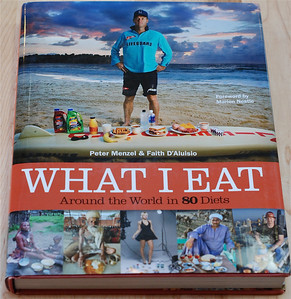
After two weeks of sheer gluttony the time seems right to chat about a fascinating, food-oriented book. Unlike my previous Tuesday offerings, it is not a cookbook but rather a book that looks at what people around the world cook and eat. Created by writer Faith D’Aluisio and photojournalist Peter Menzel, What I Eat: Around the World in 80 Diets (Material World, 2010) details what 80 individuals from around the globe consume in one day.

In some respects What I Eat can be seen as a follow-up to the duo’s 2005 book Hungry Planet: What the World Eats. In that publication Menzel and D’Aluisio looked at what 30 families in 24 countries ate during one week. In their latest offering they pare their exploration down to one day in the life of 80 individuals from over 30 countries. For each profiled person D’Aluisio cites the number of calories he consumes in a day and how he consumes them, i.e. 11 ounces of thin grain porridge made of sorghum and served with 1 tablespoon sugar for breakfast. She also provides a brief biography, listing occupation, age, height and weight. She then describes how the person obtains, cooks and eats his food and the conditions that surround each of these activities. This may sound fairly commonplace but, in fact, it proves fascinating.

Menzel’s beautiful and tale-telling photographs support D’Aluisio’s intriguing text. Together the two develop a compelling story about how the world perceives and uses food. Take, for instance, the smiling, healthy-looking Masai herder, who survives on a mere 800 calories per day. Compare his lifestyle with the obese British school aid who takes in 12,300 calories in 24 hours. How could one live on so little and the other on so much? Then there is the 135-pound Tibetan yak herder’s intake of 5,600 calories and the 260-pound American truck driver’s 5,400 calorie diet. One man gets his energy from cheese, butter, yogurt, bread and noodles. The other derives his from candy, sweetened coffee drinks, cheeseburgers and fried foods. Interesting choices. Interesting results.

Essays from such respected writers as Wendell Berry, Michael Pollan and Marion Nestle further enrich What I Eat. While none ever chastise the profiled individuals – or the readers – for their food choices, they do leave all of us contemplating what we eat and why. It’s yet another reason why I admire D’Aluisio’s and Menzel’s latest work. It inspires thoughtful consideration of how we and others in the world eat and live.

Champagne for Everyone!

It’s one of my favorite lines from the BBC series “Little Britain.” It’s also the phrase that I hear frequently during this holiday season. Champagne and New Year’s Eve go together like turkey and Thanksgiving, chocolate and Valentine’s Day, eggs and . . . well, you get the idea.

Although many countries produce sparkling wines, only the Champagne region of northeast France creates the bubbly beverage known as champagne. This region has been crafting its eponymous libation since the 17th century. Unsurprisingly, the area is home to some of the oldest champagne houses including Taittinger, Veuve Clicquot and Moet and Chandon.

Various legends surround the origins of the first champagne. Many point to the Benedictine monk and cellar master of the Abbey of Hautvillers, Dom Perignon, as its inventor. While Perignon did develop the techniques of blending wines to improve the flavor and of tying down corks with strings or wire cages to prevent popping or bottle breakage, he did not create champagne.

Apparently, no one invented champagne. The drink’s trademark fizziness was merely a side effect of the cold climate delaying fermentation. Carbon dioxide would build up in the bottles and turn the still wine into bubbly. Voila! Champagne for everyone! It may seem a bit simplistic and unromantic but that’s reportedly how champagne was born.

When it comes time to select a champagne, consider how you like your drinks. As I prefer dry wines, I go with the driest offering, a brut. This contains little to no sugar. However, if you prefer a slightly sweeter beverage, go with extra dry. If you want something moderately sweet, reach for the sec and demi-sec. These have higher sugar contents than brut or extra dry. Should you crave sweetness of a dessert wine, choose doux.

To serve champagne, simply chill, open and pour. If you want to whip up a cocktail, be sure to use a cheaper champagne as your base. Why waste all that flavor – and money – when the drink will be altered by other ingredients?

Although I know how to stir together a refreshment or two, I’m definitely not an authority on champagne cocktails. As a result, the following recipes appear courtesy of Stuart Walton’s The Ultimate Book of Cocktails (Hermes House, 2003). However, if you’re at all like me, you’ll skip the extra ingredients and just enjoy your champagne naturally.

MARILYN MONROE
Serves 1

6 tablespoons chilled champagne
1 1/2 tablespoon calvados
1 teaspoon grenadine
cocktail cherries, optional garnish

Pour the ingredients into a champagne glass and stir gently to combine. Garnish with optional cocktail cherries.

BLACKBERRY AND CHAMPAGNE CRUSH
Serves 2

6 ounces blackberries, washed
1 tablespoon confectioner’s sugar
8 ounces champagne/sparkling wine, chilled
2 tablespoons cognac

Puree the blackberries in a food processor. Push the puree through a sieve and then add the sugar and return the mixture to the food processor. Add the champagne/sparkling wine and pulse once.

Pour the cognac into two champagne glasses. Add the blackberry-champagne puree to the glasses and serve immediately.