Latest Posts

Cheers for the Cranberry

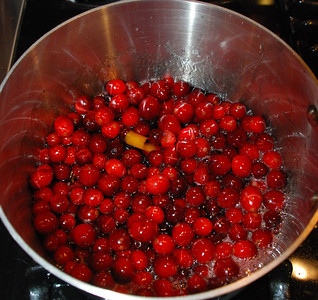
I feel sorry for the cranberry. Each holiday season it slides out of its tin can with a gelatinous plop. Just when it thinks, “I’m free to do something amazing culinarily,” someone grabs a spoon and turns it into a jellied, crimson mush. If it’s lucky, it might show up later in a wizened, albeit more true-to-life form in muffins, scones, or salads. When it’s unlucky, it appears in my breakfast juice glass. That seems to be all that we can come up with for this amazing fruit.

Long before it was known as a cranberry, this Vitamin C-rich berry was called a cowberry. As you might have guessed from the name, cows adore it. Thinking that the fruit’s pink blossom resembled the head and bill of a crane, Pilgrims later named it a craneberry. Because it bounces when ripe, it’s also referred to as a bounceberry.

The hardy offspring of low, scrubby plants, the cranberry can be found in some of Northern Europe’s and America’s poorest, most acidic soils. You’ll see it growing wild in bogs and on mountainsides and moors.

Along with thriving in lousy conditions the cranberry can survive a long time off the vine. Its durability comes from its deep red, waxy skin, which contains benzoic acid, a natural preservative that keeps it fresh for months after picking. Because of its sturdiness, sea-going sailors and whalers used to take along the tart berry to prevent scurvy. Fresh cranberries will keep for over two months in my refrigerator or a year in my freezer.
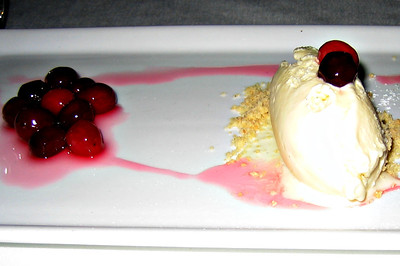
Native Americans taught early American settlers to eat fresh and dried cranberries. They used them in preserved meats and made them into sauces. Perhaps this is why I associate the fruit with Thanksgiving and as the dressing for my roast turkey.

Although we most often see cranberries either dried, as a juice, or in a can, they are phenomenal when featured fresh in chutneys and preserves. Fresh cranberries make fabulous pies, cobblers, crumbles, and tarts. They also do a great job flavoring meats and stuffings and perking up cocktails.

CRANBERRY FOOL
From The Gourmet Cookbook (Conde Nast Publications, 2004)

Serves 4

1 1/2 cups fresh cranberries, picked over and rinsed
2/3 cup sugar
1/3 cup water
2 tablespoons Grand Marnier or other orange-flavored liqueur
2/3 cup very cold heavy cream

Combine the berries, sugar and water in a 1-quart saucepan and bring to a boil, stirring occasionally. Reduce the heat and simmer, covered, for 5 minutes.

Transfer the cranberry mixture to a food processor or blender and puree. Force the puree through a fine-mesh sieve into a medium metal bowl. Discard the solids. Set the bowl in a larger bowl of ice and cold water. Let the puree stand, stirring occasionally, until just cool.

Transfer 1/2 cup cranberry puree to a small bowl. Beat the heavy cream in a medium bowl with an electric mixer until soft peaks hold. Stir one quarter of whipped cream into the puree remaining in the medium bowl then gently but thoroughly fold in the remaining whipped cream. Fold in the reserved puree just until marbled through the cream mixture.

Spoon the fool into 4 stemmed glasses. Refrigerate for 20 minutes or freeze for 10 minutes before serving.
Taking Sides on Turkey Day

Whether you host or are being hosted for Thanksgiving, you’ve probably begun mulling over your holiday menu. Each year a few brave souls start from scratch, forgoing the last year’s stuffings and mashed potatoes in favor of creative, new fare. I’ve learned that this is not the time to try out your cutting edge chilled cardamom lentils, truffle-dusted parsnip chips, or pumpkin-ginger puree. On a day steeped in tradition folks want and expect customary Thanksgiving foods.

Increasingly, hosts have begun turning to their guests for their menus. “I’ll provide the turkey. You bring a side or two.” Closer in action to the original feast, this practice encourages everyone to share the responsibility of cooking.

That brings me to today’s topic — what sides to take to a Thanksgiving potluck. Whatever you bring, remember that it has to transport and reheat well. Fortunately, the following side dishes do both.

THREE-CRANBERRY CONSERVE
Recipe courtesy of the November 2004 Thanksgiving issue of “Food & Wine”
Makes about 3 cups

I love that you can make this recipe ahead of time and that, refrigerated, it keeps for up to 2 weeks.

1 cup cranberry juice
1 cup sugar
zest of 1 orange, removed in large strips
4 cups frozen cranberries
1 cup dried cranberries

In a medium saucepan combine the cranberry juice with the sugar and orange zest and bring to a boil, stirring until the sugar dissolves.
Add the frozen and dried cranberries and cook over moderate heat, gently crushing the fresh berries against the side of the pan until the conserve is thick and jam-like, about 10 minutes. Let cool and then discard the zest.

CREAMY SHALLOT-CORN
Serves 8

5 1/2 cups corn, fresh or frozen
3 tablespoons unsalted butter
1/2 cup minced shallots
1 cup creme fraiche
Sea salt, to taste
Freshly ground white pepper, to taste

In a large saute pan on medium heat melt the butter. Add the shallots and cook until softened, about 3 to 4 minutes. Add the corn and creme fraiche and cook over low heat, stirring as little as possible, until the sauce has thickened, about 2 minutes. Season with salt and pepper. To reheat, placed the creamed shallot-corn in a non-stick saucepan and simmer over medium-low, stirring occasionally, until warmed, about 5 minutes.

CHESTNUT STUFFING
Serves 10 to 12

1/4 cup olive oil
1 onion, diced
3 celery stalks, washed and diced
1 cup chestnuts, roughly chopped
2-3 tablespoons fresh rosemary, finely chopped
dash of dried thyme
ground black pepper
1 1/2 bags of seasoned bread cubes
2 1/2 to 4 cups chicken stock, warmed
butter, for dotting the top of the stuffing

Preheat the oven to 350 degrees Fahrenheit. Butter a large baking dish.

Heat the olive then saute the onion and celery until soft and translucent. Add the chestnuts, rosemary, thyme, and pepper and cook for a few minutes. Add the bread cubes and toss to coat them with oil and to distribute the onion-celery-chestnut-herb mixture evenly.

Pour in the stock 1/2 cup at a time, stirring to moisten all the bread cubes. You may not use all the stock but you do want to use enough to ensure that the stuffing isn’t too dry.

Tumble the stuffing into the buttered baking dish. Dot the top of the stuffing with butter, cover with foil and bake for approximately 30 minutes. Remove the foil and bake for an additional 10 minutes until the top is golden brown. If re-heating, preheat an oven to 325 degrees Fahrenheit. Dot the top of the stuffing with a smidgen of butter and cover with foil again. Heat for 10 to 15 minutes and serve.

Time to Pull the Parsnips

The downside to be married to, or even knowing, a writer is that inevitably you get pulled into one of her stories. Three years ago that very thing happened to my husband. Not only did I mention him in an article about root vegetables but also did an editor make him the star of the headline: At 38 man finally tries parsnips.

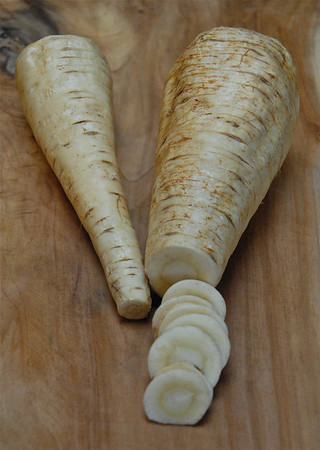
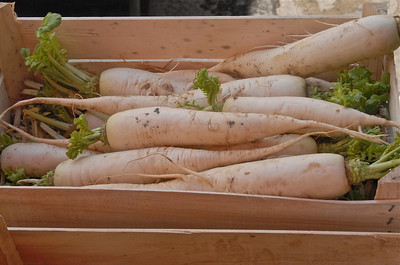
The good news is that he now likes this pale, oblong vegetable. That is good news, indeed. High in starch and fiber as well as potassium, this relative of the carrot has long provided nourishing, filling meals.

Although it took my husband almost four decades to appreciate this frost-hardy plant, much of the Western world has consumed it since ancient times. Growing wild throughout Europe and western Asia, the parsnip was first farmed during Roman times. Because it prospers in cooler climates and sandy or impoverished soils, it is ideal peasant food.

Parsnips served a vital role in medieval European cuisine. At a time when sugar was a rare luxury, these honeyed veggies acted as the sweetener in pies, pastries and even fermented drinks. In Northern Ireland they formed the basis for beer, while the rest of Great Britain used them in wine.

With the arrival of sugar, parsnips gradually fell out of favor. The introduction of potatoes likewise reduced their popularity. I find this a shame for these sweet vegetables have much to offer.

Easy to prepare, parsnips can be baked, stewed, steamed or pureed alone or with other root vegetables. Often they are boiled and mashed with butter, just like their usurper, the potato. I prefer to cut them into chunks and bake them with fresh rosemary, a sprinkle of salt and olive oil, or turn them into a creamy, rich soup.

I’ve also been known to turn them into hearty and healthful parsnip chips. Just slice the parsnips and toss them with olive oil and salt. Spread them across a cookie sheet and bake them in a 375 degree Fahrenheit oven until slightly caramelized, about 10 to 15 minutes. Without question, parsnip chips are my ultimate salty-sweet snack.

Parsnips reach their prime after the first frost. Considering the East Coast snow of last weekend, they should now be perfect for picking and eating.

PARSNIP AND FENNEL SOUP
Serves 4 to 6

1 pound of parsnips, peeled and diced
About 1 pound of fennel bulb, diced (save tops for garnish if you want); adjust accordingly, as not everyone enjoys the taste of fennel
1 medium onion, chopped
4-6 tablespoons unsalted butter
1/4 cup all-purpose flour
5 cups chicken or vegetable broth
1 cup heavy cream
1/8-1/4 teaspoon salt
1/4 teaspoon freshly ground black pepper
Generous handful of hazelnuts, toasted and coarsely chopped

In a Dutch oven, cook the parsnips, fennel and onion in butter over moderately low heat, stirring periodically for about 15 minutes, or until soft

Add the flour, stirring 3 or so minutes

Add the stock and bring to a boil. Reduce the heat and simmer for about 20 minutes

Add the cream, salt and pepper. Stir until heated through. Top with chopped fennel tops and hazelnuts and serve.

Wickedly Wonderful Wassail

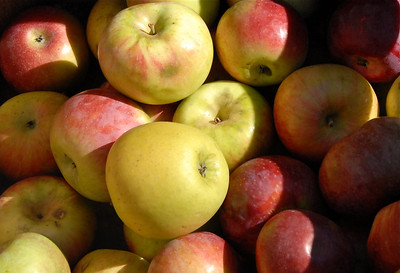
Rainy days and crisp, fall nights can only mean one thing — it’s time to break out the wassail!  Derived from the Norse phrase “ves heill” or “be in good health,” wassail can be a toast to good health, the alcoholic drink with which one is toasted, or the festive event where drinking and toasting occurs. In my household it’s all about the hot, mulled drink. Yet, for my English ancestors, it was all about the apples.

During medieval times the English believed that if they toasted their animals and crops with drink, prosperity would be theirs in the upcoming year. Eventually this tradition focused specifically on apple production with British farmers dousing the roots of their oldest or most prolific apple tree with cider. Some went so far as to place cider-soaked bread in the tree limbs to ward off bad luck and encourage good crops. Others simply sang songs to the health of their trees. All imbibed in the warm, punch-like drink known as wassail.

By the 17th century wassailing had moved beyond crops. Folks left the fields and instead drank, caroled, and spread good wishes in their neighborhoods. Just think of the song “Here We Come A Wassailing” and you’ll understand the transformation that wassail underwent.

Since my caroling days ended long ago, I focus instead on the warming drink. Although wassail can be made with ale or wine, I look to the past and go with a seasonal brew of apple cider and white rum.  Whole cloves, cinnamon sticks and ground ginger spice up the tart cider while an ample amount of sugar sweetens the mix.

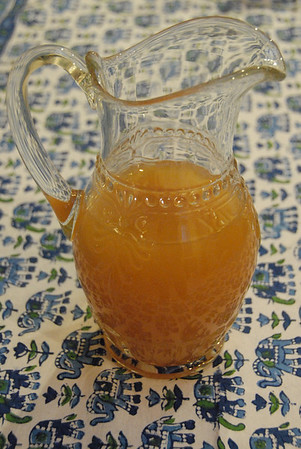
Traditionally, this toasty beverage was placed in a large, goblet-shaped bowl and garnished with small apples.  Since I lack an authentic wassail bowl, I pour my concoction into a punch bowl and dole out the fragrant libation in matching punch cups.  Any leftovers I refrigerate and then gently reheat on low before serving it again from a decorative pitcher.

The following wassail recipe originally appeared in a January 2008 blog entry on community cookbooks.  However, as it’s such a simple yet delectable recipe, it deserves yet another mention.

WASSAIL from Cook’s Choice (Junior Guild, 1978) and Nancy Williams

1 cup sugar
2 cups water
1 teaspoon whole cloves
1 1/2 cinnamon sticks
1 teaspoon ginger
2 cups orange juice
1/2 cup lemon juice
1 quart cider
1 cup white rum

Combine the sugar and water and boil 10 minutes.  Add the cloves, cinnamon sticks and ginger.  Let stand at least 1 hour.  Strain.  Add the orange juice, lemon juice and cider and bring to a boil.  Remove from heat and add 1 cup white rum. 

Pity the Pumpkin

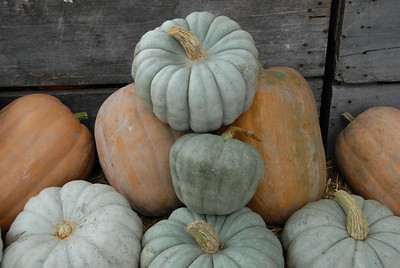
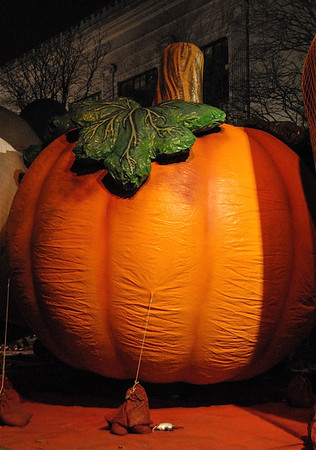
Growing up, I had little respect for the pumpkin. Blame it on lack of exposure. It showed up once a year in my mother’s Thanksgiving pie and then quickly disappeared from our menus and my mind. If I did see it more than once, it was usually at Halloween. At that time it was carved up, stuffed with a candle and dumped unceremoniously on our doorstep only to be forsaken after the holiday. It’s no wonder I now feel a bit sorry for pumpkins.

A part of the gourd family, which also claims cucumbers and melons as members, the pumpkin hails from the Americas. Sensitive to cold in spite of its tough skin, it requires temperate weather, regular watering and lots of space to flourish. As evidenced by a predicted pumpkin shortage in the Northeast, it does not fair well in floods or hurricanes.

What to do once a hefty, blemish-free pumpkin had been bought from a local farm stand or plucked from my parents’ garden used to baffle me. Cleaning and chopping this unwieldy ball without severing a finger, well, that seemed next to impossible. Then there were the quantity questions. How much pumpkin would I get from a whole pumpkin? What was the weight/quantity difference between raw versus cooked? Fresh versus canned? No wonder my mother stuck with dessert recipes calling for canned pumpkin.

To answer these pressing questions, I consulted my dog-eared copy of The Joy of Cooking (Scribner, 1997). According to Rombauer, Rombauer Becker and Becker, one pound of pumpkin provides 13 ounces of trimmed meat. Cooks should allot 8 to 12 ounces of untrimmed pumpkin per serving.

That left the mystery of what to do with my pumpkin. Much of the world uses it in savory and sweet dishes. The French put it in soups and in bread, pain de courge, which is consumed at breakfast or as a snack. For breakfast, Cypriots may choose kolokotes, a small pie resembling a Cornish pasty, filled with chopped pumpkin and golden raisins. Caribbean cooks pair it with chilies and legumes and use it in hearty, fragrant stews. Moroccans dine on couscous dotted with chunks of pumpkin, and Turks end their dinners with bowls of pumpkin poached in a simple syrup and topped with pistachios or walnuts.

Me? I like to put it in curries, breads, puddings and, of course, soup.

PUMPKIN SOUP
I find this works perfectly without the addition of cream but if I feel like dressing up or stretching the soup, I will add a few tablespoons right before serving and claim that tonight I’m featuring “pumpkin bisque soup.”

Serves 6 to 8

4 tablespoons butter
1 white onion, diced
3 cloves garlic, chopped
1½ tablespoons dried thyme
½ cup apple cider
2 quarts chicken or vegetable stock
2 large potatoes, washed, peeled and chopped
1 pound, 13 oz can of pure pumpkin
1 tablespoon onion powder
1 tablespoon garlic powder
2 tablespoons honey
Salt, to taste
Freshly ground black pepper, to taste
⅛ to ⅓ cup whipping cream, optional
Creme fraiche, optional

Melt the butter in a medium-sized saute pan. Add the onion and saute until soft. Add the garlic and thyme and cook until the onion becomes translucent and the garlic golden but not dark brown.

Pour the cider, stock, potatoes, pumpkin, onion powder, garlic powder, honey and garlic-onion-thyme mixture into a large stockpot. Bring to a boil then lower the temperature to medium-low. Simmer for 40 minutes, adding water if soup boils down too much.

Using a blender or food processor, puree the soup in batches, placing the finished soup in a clean stockpot. Once it has been pureed, add salt and pepper to taste. If adding cream, do so at this time, then simmer over low for another 5 to 10 minutes.

Ladle into warmed bowls and top with a dollop of creme fraiche.

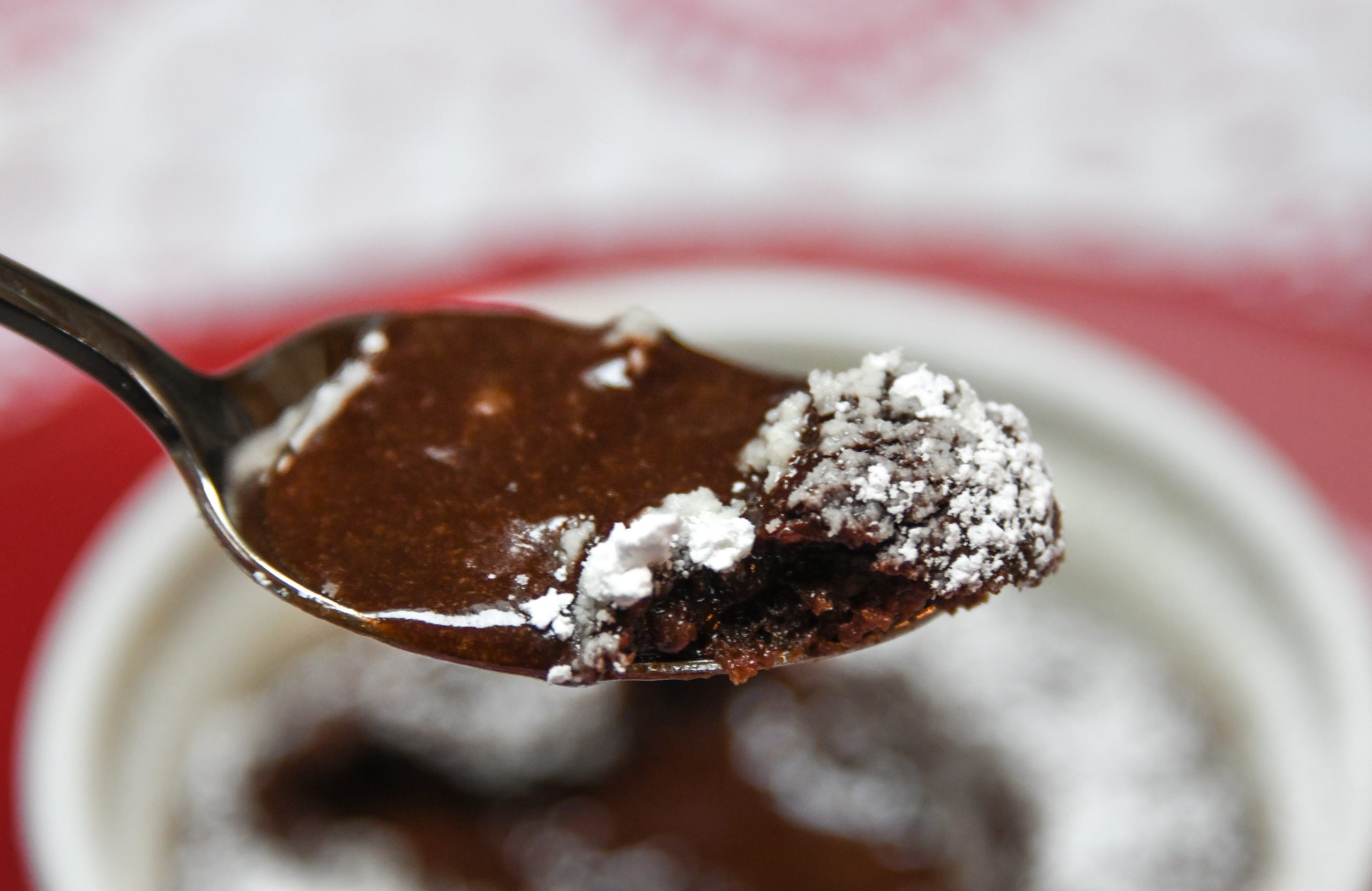
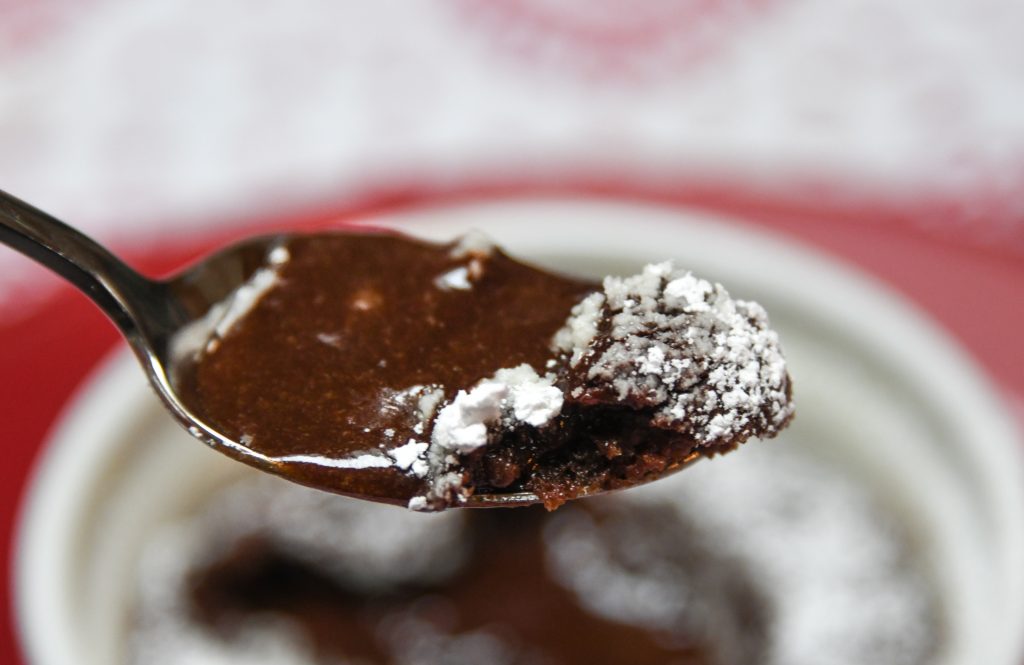
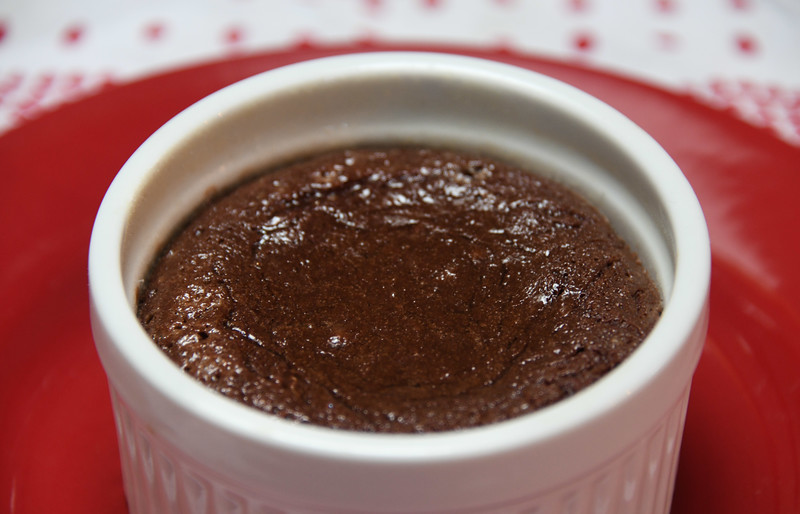
spoonful of baked chocolate pudding

Warm & Gooey Baked Chocolate Puddings

spoonful of baked chocolate pudding
A spoonful warm & gooey baked chocolate pudding

There’s very little that I can say about chocolate that hasn’t been said many, many times before. As you probably know, it comes from the seeds of the cacao tree. This evergreen hails from Latin America, from the area between southern Mexico and the northern Amazon basin. Once collected, the seeds are roasted, fermented and ground to make the heavenly treat known as chocolate.

A little history

The ancient Mayans were probably the first to enjoy hot chocolate. Archeological evidence shows that they buried their dead with the bowls and jars used to drink it.

The Mayans weren’t alone in their love of a good chocolate beverage. The Aztecs drank it cold and sweetened with honey. Both cultures held chocolate in high esteem. They used it as an offering to the gods and served it at ceremonial feasts. It took until the 16th century for Europeans to encounter chocolate. Spanish conquistadors led by Hernán Cortés came across these ‘black almonds,’ as they called cacao seeds, at Tenochtitlan. At first repulsed, they grew to appreciate the Aztec’s dark, sweet drink. Credited with introducing Europe to chocolate and causing the fall of the Aztec Empire, the conquistadors reputedly started the rumor that chocolate was an aphrodisiac.

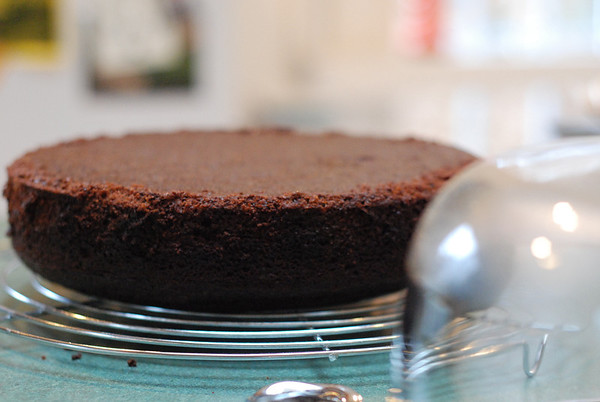
The perennial favorite, chocolate cake

The current chocolate craze

Fast forward five centuries and you’ve got a chocolate craze. You name the dish. In all likelihood chocolate has been incorporated into it. Along with cakes, cookies, pies, sauces, breads, candy and ice cream, it’s in pasta, meat and other savory dishes.

Since I prefer to keep my chocolate offerings sweet, I’ll share a favorite dessert recipe, Warm and Gooey Baked Chocolate Puddings. Occasionally, these individual baked chocolate puddings get confused with that restaurant favorite, molten chocolate lava cakes. Unlike those warm cakes, these are gooey puddings with light, cake-like crusts. Enjoy them with cold glasses of milk or tall iced coffees.

A freshly baked chocolate pudding

Warm & Gooey Baked Chocolate Puddings

Serves 4 to 5

5 ounces bittersweet chocolate, chopped
8 tablespoons unsalted butter
3 large eggs or 3/4 cup Eggbeaters
3/4 plus 1 tablespoon granulated sugar
1/4 cup all-purpose flour
2 tablespoons confectioner’s sugar

Preheat the oven to 400 degrees Fahrenheit. Grease and flour four or five (5-ounce) ramekins.

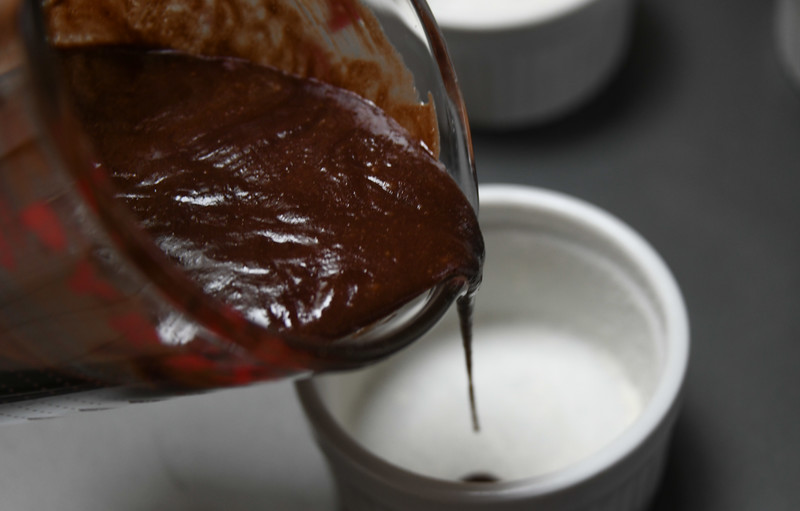
Put the chocolate and butter in a large, microwave-safe bowl or spouted pitcher. Microwave on high, stirring frequently, until the chocolate has melted, about 3 to 5 minutes.

In a small bowl whisk together the eggs, granulated sugar and flour. Add 2 to 3 tablespoons of the melted chocolate to the egg mixture and stir to combine. Stirring the entire time, slowly pour the egg mixture into the warm chocolate.

Spoon or pour, if using a spouted pitcher, equal amounts of chocolate pudding into each ramekin. Place the ramekins on a baking sheet. Bake until the puddings have formed a light, cake-like crust on top and around the edge, about 8 to 11 minutes. Note that they should still be jiggly and pudding-like. If they’ve set and hardened, they’ve baked too long. Remove, place the ramekins on individual dessert plates and dust with the powdered sugar. Serve the baked chocolate puddings immediately.

Look at Those Mussels!

Whenever I see mussels, I think of Belgium, specifically its capital, Brussels. No matter where you go in this medieval city, you invariably come across someone selling these succulent bivalves. Whether served with fries, as in moules frites, or in an herb-white wine broth, as in moules marinière, mussels are a common treat in this land.

Belgians aren’t alone in their love of mussels. Archeological evidence indicates that Europe has been consuming these dark blue- to black-shelled mollusks for over 20,000 years.

Unlike Europeans, I was a bit of a late comer to this shellfish. Now, though, I’m hooked on its creamy texture and mildly sweet flavor that’s slightly reminiscent of lobster. I also love its eco-friendliness. Take, for instance, the North American blue mussel. It grows in abundance, is low in contaminants and doesn’t adversely affect the environment. Plus, it’s both inexpensive and delicious. Can’t ask for more than that!

Although dozens of species exist, I most often see the aforementioned blue mussels. Found on the Mediterranean, Atlantic and Pacific coasts, blue mussels range from two to three inches in length and have a dark blue shell. Unless otherwise indicated, recipes will normally call for this species of mussel.

In terms of quality, the tinier the mussel is, the better the dining experience will be. As always, avoid those with broken or damaged shells. Steer clear of overly heavy or lightweight and rattling ones. The former may be weighed down with sand. The latter may contain a dead mussel.

Before cooking mussels, I consider what foods go well with them. Their juicy meat marries nicely with celery, clams, garlic, lemon, onions, pasta, potatoes, shallots, spinach and tomatoes. They are complimented by such herbs and spices as chives, curry powder, mustard and tarragon. In terms of cooking liquids they respond beautifully to Belgian or Belgian-style beer, cream, olive oil, Pernod, red wine vinegar, vermouth and dry white wine.

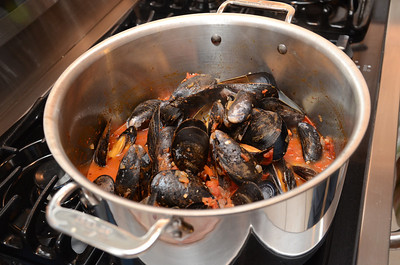
MUSSELS PROVENCAL
Serves 4 as an entrée; 6 as an appetizer

When cleaning mussels, discard those with broken shells or that don’t close up when tapped on the shell. These are already dead and should not be cooked with the live mussels.

3 tablespoons olive oil
1 medium yellow onion, diced
1/4 teaspoon salt
4 cloves garlic, minced
1 red bell pepper, washed and diced
11/2 teaspoons dried thyme
1 teaspoon dried basil
1 teaspoon capers, rinsed
1 (28-ounce) can diced tomatoes and its juices
1 cup white wine
juice of 1 lemon
1/2 teaspoon ground black pepper
4 pounds mussels, scrubbed and beards removed
1/2 cup flat leaf parsley, washed and chopped
toasted baguette or batard, for serving

In a medium stockpot heat the olive oil. Add the onion and salt and sauté until softened, 5 to 7 minutes. Add the garlic, bell pepper, thyme and basil and sauté for another 5 minutes. Tumble in the tomatoes, white wine, and black pepper, bring to a boil and simmer for 5 minutes. Taste and adjust for seasonings before adding the mussels. Cover the pot and allow the mussels to cook until opened, about 5 to 10 minutes. Don’t overcook the mussels as this will make them tough. Add the parsley and toss to combine. Spoon the mussels into a large bowl and pour the sauce over top. Serve alongside toasted baguette or batard.

Warmly Exotic Zahtar

For me one of the best parts of travel is experiencing how and what other cultures eat. When I’m away from home, I try not only to eat like the locals but also to pick up the ingredients needed to cook like them. By the end of a trip I’ve invariably weighed down my bag with hastily jotted recipes, odd cooking pots, rare spices and exotic edibles. Out of the countless things that I’ve dragged through U.S. customs, the warm, zesty zahtar (also spelled za’atar or zaatar) remains a particular favorite.

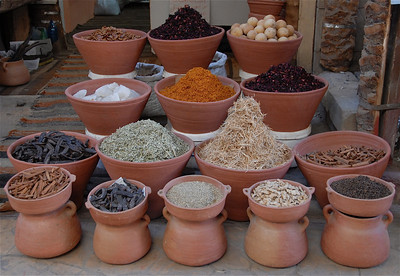
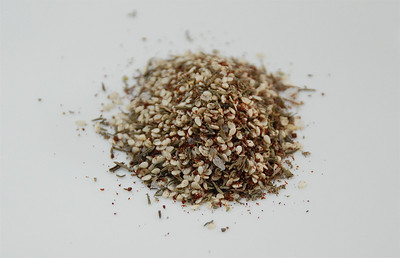
Originating in the Middle East, zahtar is an aromatic herb and spice blend. Its name likely comes from the Arabic word for wild thyme, zaatar. In fact, dried thyme is one of the main ingredients. Ground sumac, sesame seeds and sometimes dried marjoram likewise appear in this seasoning.

People use zahtar to spice up an array of foods. Some cooks sprinkle it over labneh, a strained yogurt from the Middle East. Others mix zahtar with olive oil and slather this over breads. Then there are those who season vegetables or meats with it. Me? I add a little excitement to humdrum baked chicken by spreading zahtar over it.

You can find zahtar at specialty and Middle Eastern markets as well as online at such stores as Kalustyan’s. Better yet, you can make zahtar yourself. It takes only a few minutes and ingredients to make this versatile blend.

ZAHTAR
Makes 1/3 cup

3 tablespoons sesame seeds
2 tablespoons dried thyme
1 tablespoon ground sumac
1 1/2 teaspoons dried marjoram
1/2 teaspoon coarse sea salt

Mix the ingredients together in a small bowl. Store in an airtight container until ready to use.

CHICKEN ZAHTAR
Serves 4

3 tablespoons zahtar
4 skinless chicken breasts
3 tablespoons olive oil plus extra for greasing the baking dish

Spread the zahtar evenly over a clean work surface.

Rinse off the chicken breasts and lay them on a large serving platter or baking dish. Coat them with olive oil and then dredge them through the zahtar, covering them completely. Place the coated chicken on a large plate, cover and refrigerate for 1 hour.

Preheat the oven to 425 degrees Fahrenheit. Coat the bottom of a baking dish with olive oil. Add the chicken to the dish.

Bake the chicken for 40 minutes or until cooked completely. A probe thermometer inserted into the thickest part of the chicken should read 165 degrees Fahrenheit. Serve immediately alongside couscous or shepherd’s salad.

Egghead

When I was in my twenties, I became a wishy-washy vegetarian. You know the type — won’t eat meat but still wolfs down cheese; won’t touch roast chicken but has no problem with soup made from chicken stock. Unsurprisingly, my mother was outraged. What infuriated her most was my refusal to eat bacon. ‘How can you eat eggs/pancakes/French toast/waffles without bacon? It’s unheard of.’

In retrospect she should have been pleased that I’d kept eggs in my diet. As one of my main sources of protein, they sustained me far better than a few strips of bacon ever would have. And, yes, even back then I knew that they were high in cholesterol; one large egg contained as much as 213 milligrams. However, the amount of protein, percentage of Vitamins B, D and E, and versatility that they provided far outweighed their downside. Plus, when I withheld the yolks, I still ended up with a darned nice omelet.

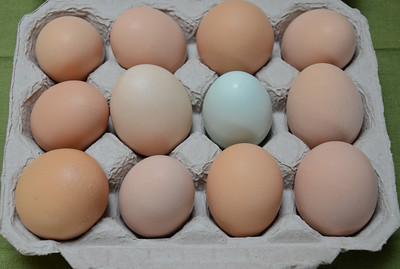
Regarding eggs, the late author and food historian Alan Davidson said it best: They are ‘. . . the astonishing and unintentional gift from birds to human beings . . ..’ Extremely versatile, they serve a variety of culinary roles. They can be eaten on their own after being baked, boiled, pan-fried, poached or scrambled. They can act as a leavener in baking and a thickener in custards, sauces and dressings. They can dress up pastries. Just think about shiny, golden-topped, fruit studded or braided breads; those beautiful crusts came courtesy of egg washes. They’re also the base of many classic offerings such as eggnog, mayonnaise and souffles.

Eggs have a wealth of flavor affinities. They partner wonderfully with asparagus, basil, pepper, potatoes, spinach and such cheeses as feta, Gruyere, mozzarella and Parmesan. They likewise pair well with cream, creme fraiche, garlic, ham, mushrooms, onions, parsley, smoked salmon, scallions, shallots, sausage, steak, tomatoes, truffles and, my mother’s all-time favorite, bacon.

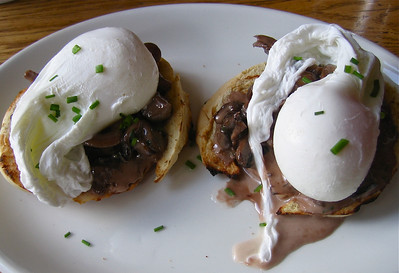
The beauty of eggs is that they require little preparation and no additional ingredients. Heat a little olive oil in a frying pan. Crack an egg and plop it into the heated pan. In a snap dinner is served. Along with pan-frying, I like to poach eggs and serve them over a smoked salmon-topped English muffin. Replace the smoked salmon with sauteed wild mushrooms and I’ve got a light take on eggs Benedict.

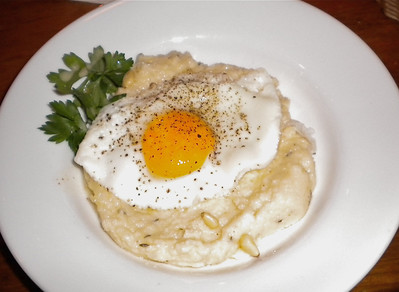
Beyond the usual Benedicts, omelets, frittatas and souffles I occasionally use eggs in such savory dishes as pasta and polenta. With that I’ll offer a hearty polenta dish featuring, yep, an egg.

EGG AND PARM POLENTA
Serves 4

2 cups water
2 cups chicken stock
1 cup coarse yellow cornmeal
2 tablespoons salted butter
2/3 cup grated Parmesan cheese
1/3 cup pine nuts, lightly toasted
1/2 tablespoon ground black pepper, divided
2 tablespoons olive oil
4 large eggs

In a large saucepan bring the water and chicken stock to a boil. Slowly pour in the cornmeal, stirring with a wooden spoon as you add it. Reduce the heat to low and continue stirring for about 30 minutes or until the polenta is extremely thick and the spoon can support itself in the pan.

Five minutes before the polenta has finished cooking, start making your sunny side-up eggs. Heat the olive oil in a large, non-stick frying pan on medium. Once the oil has heated, crack an egg and pour it into the pan. Repeat with the remaining three eggs, making sure that no eggs touch. Depending on the size of your pan, you may need to fry the eggs in batches.

Fry the eggs on one side until the whites have browned slightly on the edges and the yolks have set slightly. Take the pan off the heat.

At this point you should also remove the polenta from the heat and stir in the butter, Parmesan cheese, 1/4 teaspoon ground black pepper and pine nuts. Spoon equal amounts of polenta onto four plates. Top each mound of polenta with a fried egg and dash of ground black pepper. Serve immediately.

Say Cheese!

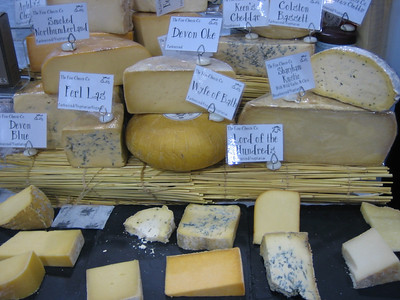
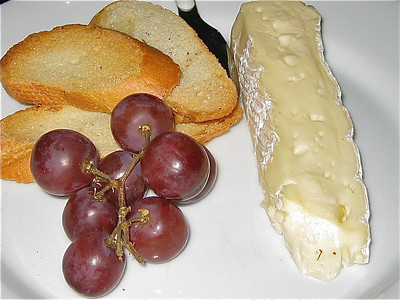
This week I’ve been working on non-Kitchen Kat cookbook reviews, one of which explores cheese. I can think of no better person to critique a cheese book for I am an absolute fromage fanatic. Whenever I’m on vacation or craving comfort food, I skip the ice cream, cookies and candy. Instead I buy a wedge of Manchego, Emmental or drunken goat and a loaf of good bread and I eat cheese.

The writer Clifton Fadiman once described cheese as “milk’s leap toward immortality.” How true. It all begins with milk. Allow natural bacteria or starter culture work its magic on goat’s, sheep’s, cow’s or buffalo’s milk. Eventually the milk thickens and then separates into curds and whey. Drain off the liquid whey and you’re left with curds. From here it’s all about shaping and ripening or aging those milk solids. The end result? Cheese.

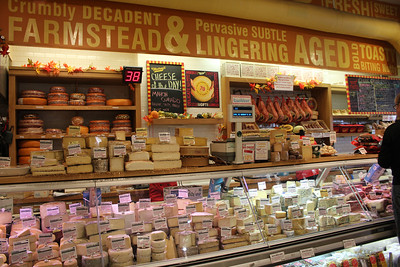
Rather than muddling through how a gallon of whole cow’s milk becomes a pound of provolone, I’ll stick with what I know — cooking with and eating cheese. However, if you’re interested in learning more about cheese making, look at Steven Jenkins’ Cheese Primer (Workman Publishing, 1996) or Mary Karlin’s Artisan Cheese Making at Home (Ten Speed Press, 2011). Online you can check out CurdNerds and New England Cheesemaking Supply. If you’re in NY, stop by Murray’s Cheese in the Village. Along with Zabar’s and Fairway, it’s one of my favorite places to sample and learn about cheese.

In addition to nibbling on it as a snack, main course or savory dessert, I like to cook with cheese. Often I’ll do something as simple as sprinkling goat, feta or Stilton over mixed greens or layering grilled Haloumi between basil and slices of tomato and whole grain bread. Truthfully, that’s hardly cooking at all. Other times, though, I’ll whip together a batch of cheese scones, fondue, raclette, soup, polenta or casserole as well as the standard mac ‘n’ cheese or pizza. Whether I use it as a main or secondary ingredient, cheese always seems to make my resulting dish shine.

MEDITERRANEAN TARTARE
Serves 4

1 pint cherry or grape tomatoes
1 cucumber
4 ounces Haloumi cheese, diced
1 scallion, minced
1 tablespoon chopped fresh mint
1 teaspoon freshly ground black pepper
1 tablespoon extra virgin olive oil
dash of salt, optional

Wash then cut the tomatoes into small cubes and place in a large bowl. Skin, slice into quarters length-wise then remove the seeds of the cucumber. Once de-seeded, cut the cucumber into small pieces and place into the bowl. Add the Haloumi, minced scallion, mint and freshly ground black pepper to the bowl and toss the ingredients together.

Fill four 6-ounce ramekins with the tartare. Note that if you don’t own ramekins, you can use four empty, lidless and washed tuna cans as substitutes. Refrigerate the ramekins for 10 to 15 minutes, until the tartare has chilled and set. Remove them from the refrigerator and invert each ramekin onto a plate. Drizzle the top of each tartare with extra virgin olive oil and an optional dash of salt. Serve immediately.