All posts filed under: Amazing Sweets

Perfect, Portable Fruit

I can’t remember a time when I didn’t eat raisins. In elementary school they were the sugary treat that held me over until dinnertime. In high school they balanced out my otherwise unhealthful school lunch—Cheetos and ham salad sandwiches, anyone? Today they are what I toss into my camera bag when I head out on an assignment or throw into my suitcase when I go on vacation. Small, portable and virtually indestructible, they’re the perfect snack for anyone on the run. Because of my unabashed love of dried grapes, it never occurred to me that some people might hate them. More importantly, it never occurred to me that I might someday cook for these folks. Yet, today I know a surprising number of raisin detractors. Finding the fruit too rich, sticky, hard or wizened, they fish them out of my salads, sides, desserts and sauces. To a raisin devotee, this seems like sacrilege; after all, they’re rejecting one of nature’s best iron-, potassium- and protein-packed sweets. While I may never sway raisin haters over to …
One Cake, Many Takes

Over the past 18 months I’ve been writing, cooking and thinking quite a bit about seafood. At this point our cats worship me, my husband and friends avoid me, and my fishmongers know me by first name. Because I’ve been so fish-focused, I’d like to take a break from all-things-protein-rich and savory and talk about carrot cake. Carrot cake seems to be one of the most divisive desserts out there. If you love it, you love a specific type—soft and sweet or firm and spicy, laced with crushed pineapple or pineapple-free, walnut-studded or raisin-dotted, frosted with cream cheese or butter cream . . .. The list goes on. If you hate it, you loathe everything about it but you especially abhor the carrots. As a diehard c-cake hater once said, ‘No matter how sugary a root vegetable may be, it’s still a vegetable. It should not be in a cake.’ Fortunately, my husband is carrot cake fan and not a terribly finicky one at that. Over the years he’s happily endured my attempts to create …

Hot off the Presses! Waffles!

At a recent holiday party I got pulled into a conversation about why Belgium is such a fantastic country to visit. According to the Belgium buffs, it possesses everything that anyone could ever desire — quaint cities, beautiful architecture, first rate art, few tourists and loads of excellent food including Trappist beer, fries, mussels and chocolates. While I wouldn’t rank Belgium as my top vacation spot, I do enjoy much that this historic land and the headquarters of the European Union has to offer. Of course, I love the aforementioned art and architecture. I likewise adore the world class chocolates and beer. What sells me on Belgium, though, is its waffles. Sold throughout the country in cafes and on street corners, waffles are believed to be a spin-off of the medieval Flemish wafer. Like their small and crisp predecessor, these honeycombed cakes are cooked between two greased, patterned, metal plates. Originally, folks pulled out their waffle irons only on special occasions. In fact, during the Middle Ages parents of a newborn girl would often receive …

Cheers for the Cranberry

I feel sorry for the cranberry. Each holiday season it slides out of its tin can with a gelatinous plop. Just when it thinks, “I’m free to do something amazing culinarily,” someone grabs a spoon and turns it into a jellied, crimson mush. If it’s lucky, it might show up later in a wizened, albeit more true-to-life form in muffins, scones, or salads. When it’s unlucky, it appears in my breakfast juice glass. That seems to be all that we can come up with for this amazing fruit. Long before it was known as a cranberry, this Vitamin C-rich berry was called a cowberry. As you might have guessed from the name, cows adore it. Thinking that the fruit’s pink blossom resembled the head and bill of a crane, Pilgrims later named it a craneberry. Because it bounces when ripe, it’s also referred to as a bounceberry. The hardy offspring of low, scrubby plants, the cranberry can be found in some of Northern Europe’s and America’s poorest, most acidic soils. You’ll see it growing wild …

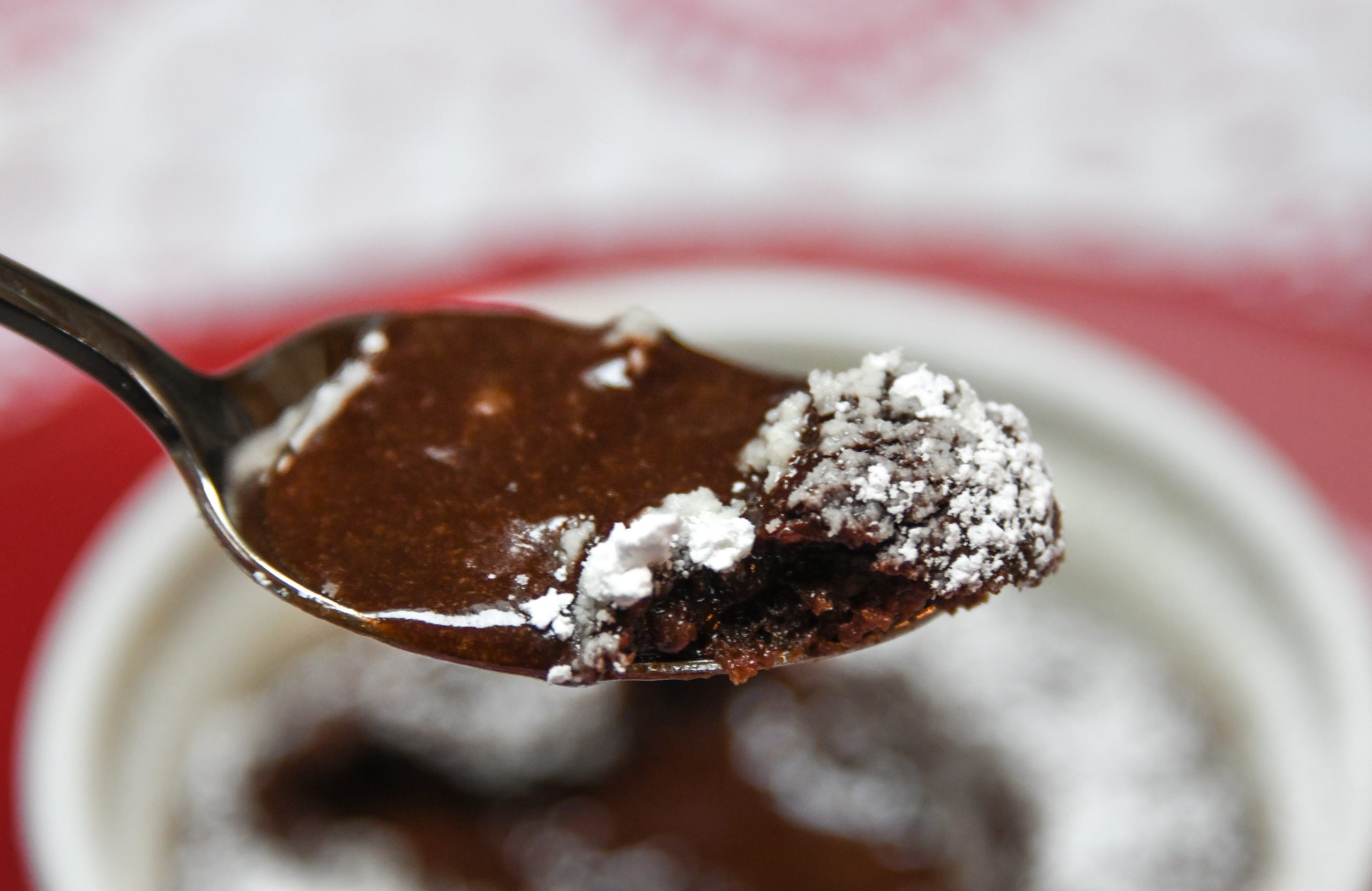
spoonful of baked chocolate pudding

Warm & Gooey Baked Chocolate Puddings

There’s very little that I can say about chocolate that hasn’t been said many, many times before. As you probably know, it comes from the seeds of the cacao tree. This evergreen hails from Latin America, from the area between southern Mexico and the northern Amazon basin. Once collected, the seeds are roasted, fermented and ground to make the heavenly treat known as chocolate. A little history The ancient Mayans were probably the first to enjoy hot chocolate. Archeological evidence shows that they buried their dead with the bowls and jars used to drink it. The Mayans weren’t alone in their love of a good chocolate beverage. The Aztecs drank it cold and sweetened with honey. Both cultures held chocolate in high esteem. They used it as an offering to the gods and served it at ceremonial feasts. It took until the 16th century for Europeans to encounter chocolate. Spanish conquistadors led by Hernán Cortés came across these ‘black almonds,’ as they called cacao seeds, at Tenochtitlan. At first repulsed, they grew to appreciate the …

As Easy As . . .

If you think back to early last winter, you may remember all the fuss about how 2011 would be the year of the pie. Rachel Ray predicted it. Newspapers and cooking magazines touted it. Even I wrote an article about how pie would usurp the cupcake and steal the title of ‘America’s favorite sweet.’ Although the hype over pie has subsided, my interest in it hasn’t. This summer I just keep baking it and baking it. In fact, as I type this, I have a homemade lemon meringue pie cooling on the counter behind me. It may not be the year of the pie but it’s definitely my summer of pie. While my obsession is relatively new, the dish itself is quite old. Historians believe that the ancient Egyptians created the first pie. However, they give the ancient Romans credit for the first published recipe. This was for a rye-crusted goat cheese and honey pie. In his weighty and invaluable encyclopedia, The Oxford Companion to Food (Oxford University Press, 2006), the late writer Alan Davidson …

As Perfect as a Gingered Pear Tart

Some food moments stay with you forever. For me, it’s that first bite of a pear. Thinking that he’d introduce his only child to a delightful, new food, my father had plucked a pear from his lone fruit tree and handed it over to four-year-old me. Willing to please and try anything, I chomped into the golden skin and pulled off a huge piece. It all went downhill from there. As the story goes, I grimaced, pronounced the pear “gritty” and spit out the offending, unripened piece. That’s the assessment that I made over three decades ago and the one that I’d cling to for almost as long. Care for a pear? No thank you! Today, though, I’m quite fond of this bell-shaped fruit. When allowed to ripen off the tree, it can be a divine treat. With over 1,000 varieties and seasons that spread throughout the year I can find a soft, honeyed pear almost anywhere. Similar to its cousin, the apple, the pear originated in the border between Europe and Asia known as …

Tap into Maple Syrup

If you live in the Northeast, the arrival of spring means many things. Warmer temperatures. Less snow. More rain. The end of maple tapping season. Starting in mid-February and lasting for roughly six weeks, maple trees across this region get tapped for their sap. Once warmer weather hits, tapping season ends and my quest for the tastiest maple syrup begins. Every time I pour rich, Grade A syrup over my French toast, waffles or pancakes, I should thank the Native Americans for this lovely sweetener. As they did with so many other useful foodstuffs, Native Americans taught the early settlers how to tap maple trees and create maple syrup and sugar. The process is fairly simple. Put in spout in a sugar or black maple tree. Attach a bucket to the spout. Collect the tree’s sap in this bucket and then boil it down so that the most of the water evaporates and the sap becomes thick and dark. Want maple sugar? Just keep boiling the sap until it becomes granulated like sugar. Until the …

Pretty as a Persimmon

Sometimes we start off on the wrong foot with food. Such was the case with my husband and the pretty, leaf-topped persimmon. One bite of a firm, unripe persimmon and Sean swore never to touch this fall fruit again. Why such a negative reaction? Unless it’s ripe, this small, plump orb tastes as bitter as a harsh astringent. Persimmons peak in mid-October. By that point they’ve turned a beautiful brilliant orange and taken on a soft texture and honey-apricot flavor. Any picked and eaten before then run the risk of tasting tinny and, in Sean’s case, terrible. Early settlers learned this invaluable lesson about ripeness from Native Americans. They allowed the fruit to ripen fully and fall from the tree before consuming it. Even with this good example some colonists found out the hard way about young persimmons. In the 17th century Captain John Smith noted that ‘if it be not ripe it will draw a mans mouth awrie with much torment . …” Boy, does that sound familiar! A good persimmon requires only a …

Crisp, Crumble, Cobble and Slump

If you give fresh fruit to me this summer, chances are that I’ll wash and then tumble it into a greased baking dish and bake a fruit crisp. Rhubarb, strawberries, blackberries, blueberries and peaches have all bubbled away beneath a blanket of brown sugar, cinnamon, oatmeal and butter. Sure, with the exception of rhubarb, I could have enjoyed any of these raw. Yet, I can’t seem to stop myself from making and eating these treats. What prompted this obsession I do not know. Maybe it’s a touch of summer laziness for the crisp is one of the fastest and easiest desserts to bake. What I do know is that my crisp often gets confused with other sweets. At countless dinners and parties friends have thanked me for bringing a crumble, cobbler or slump. Who’s right? And just what am I baking? Although I think of “slump” as what my mother told me never to do, the word actually refers to a luscious dessert. Hailing from New England, it consists of fresh fruit topped with dollops …