Latest Posts

Cool Foods for a Hot Season

Thanks to a recent and premature East Coast heatwave, I’ve already started thinking of ways to beat the summer heat. While I could always spend the day in a frigid Starbucks or hovering over our struggling window air conditioner, I do have a few other, less radical tricks for staying cool this summer. As you might expect, they involve food and plenty of it.

You may have heard how in Morocco, India and other steamy or arid lands folks cool off with hot and spicy foods. Steaming hot teas are especially popular for they hydrate and make the consumers sweat. Keep on drinking and hydrating. Keep on sweating and cooling off. Truthfully, I’m not a fan of the ‘hot drinks and food in summer’ practice. Give me a icy glass of water, a little cold soup and I’m chillin’.
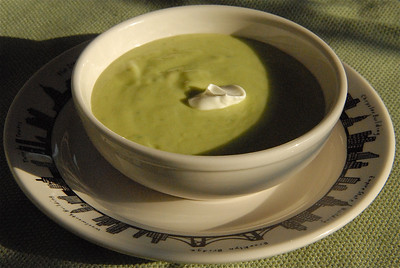
That brings me to the first food trick, chilled soups. Sometimes referred to as “liquid salads,” cold vegetable soups do wonders for heat sufferers around the globe. In Spain and Portugal the overheated reach for red gazpacho and ajo blanco, a garlic-almond soup sometimes referred to as ‘white gazpacho.’ In Eastern Europe it’s purplish, beet-laden borscht and chlodnik that soothes the masses. Chlodnik features grated beets, cucumbers, onions, radishes, dill and yogurt, which turns the soup an eye-popping pink. In the Mediterranean diners refresh themselves with several variations of an iced, yogurt-cucumber-garlic-mint soup. Turks call it cacik. Greeks call it tzatziki. I call it good.

Trick number two? Frozen desserts. Often it’s sorbet, that energizing and non-fat, iced fruit puree that has been dished out in France since the 17th century. Other days it’s the Italian relative, granita. Consisting of one part sugar to four parts water and/or fruit juice, coffee or wine, granita possesses a coarse, crystalline texture that sets it apart from the velvety sorbet. Crunchy or smooth, these are two indulgences that always satisfy.
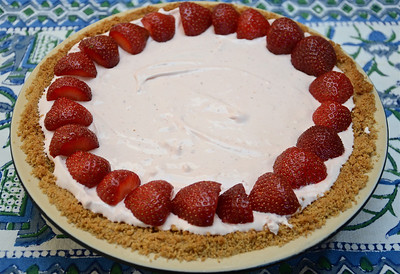
While I usually skip the thirst-inducing gelatos, custards and ice creams, I do have a weakness for another childhood summer sweet — strawberry yogurt pie. A bit kitschy but always a favorite, this frozen treat never fails to beat the heat.

Until the next heatwave . . .

PAT HUNT’S STRAWBERRY YOGURT PIE
Serves 8

2 1/2 (6-ounce) containers of strawberry yogurt
1 (8-ounce) container of Lite Cool Whip
1 store-bought graham cracker pie crust
1 handful of fresh strawberries, washed, trimmed and halved

In a medium-sized bowl mix together the strawberry yogurt and Cool Whip until well-combined. Pour the filling into the graham cracker pie crust, cover and refrigerate for 1 hour or until lightly set. Remove the pie and place the halved strawberries around the edge of the crust. Cover again and return to the freezer where the pie should remain until frozen. Remove 30 minutes before serving so that the pie thaws slightly and is easier to cut and consume.
KITCHEN KAT’S STRAWBERRY YOGURT PIE
Serves 8

If you have a little extra time, try this version, too.

For the graham cracker crust:
2 cups graham cracker crumbs
1/3 cup sugar
1/2 cup unsalted butter, melted

For the filling:
1/2 cup organic strawberry puree (1/2 pint of organic strawberries blitzed in a blender or food processor)
1 tablespoon sugar
1 1/2 cup organic, vanilla yogurt
1 (8-ounce container) Cool Whip
handful of fresh, organic strawberries, washed, trimmed and halved

To make the crust, preheat the oven to 400 degrees Fahrenheit. Mix together the graham cracker crumbs, sugar and butter until well-blended. Spread over and press into the bottom and sides of a 9-inch pie pan. Bake for 10 minutes in the preheated oven.

Mix together the puree, sugar, yogurt and Cool Whip. Pour the filling into the graham cracker pie crust, cover and refrigerate for 1 hour or until lightly set. Remove the pie and place the halved strawberries around the edge of the crust. Cover again and return to the freezer where the pie should remain until frozen. Remove 30 minutes before serving so that the pie thaws slightly and is easier to cut and consume.
London Eats

No matter what detractors of British cuisine may say, I ate well in London. So well, in fact, that I’m now working off three extra pounds. Considering that in many countries I’ve lost weight, that’s pretty high praise for English cooking.

Where I ate obviously influenced how well I ate. Armed with Time Out London, London Zagat, and tips from friends and local foodies, I sought out places that would please my finicky palate. For breakfast I went to cafes such as Gail’s Bread, Ottolenghi and The Tabernacle. Located in Notting Hill and close to the flat where I had stayed, these three served up consistently good food in warm, cheery atmospheres.

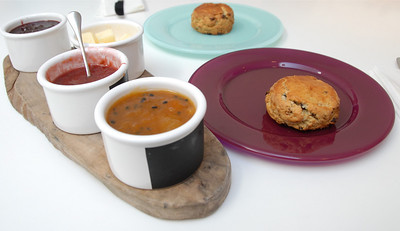
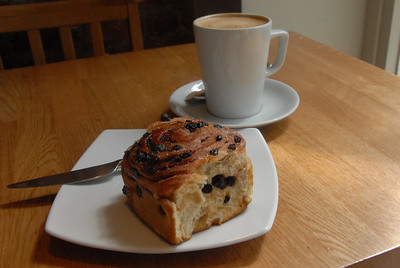
Since lunch was always right around the corner, I never succumbed to the full English breakfast of poached eggs, bacon, sausage, fried tomatoes, fried mushrooms, beans, toast and tea. Yet, I did love many less filling, local specialties. Currant-studded Chelsea buns, jam-slathered scones and scrambled eggs on toast with sauteed mushrooms ranked high on the list of favorites.

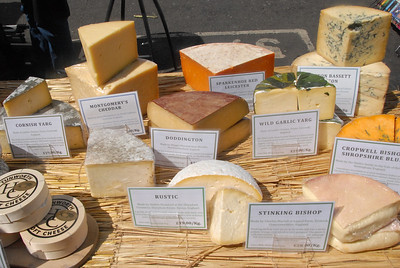
Often I grabbed lunch on-the-go. Olive focaccia from Lina Stores in SoHo, Cornish pasties or locally produced breads and cheese fit this bill. The chain noodle shop Wagamama also fell into the category of quick, easy lunches. Started in London in the 1990’s, Wagamama offered fresh tasting, Asian-inspired meals at relatively inexpensive prices.

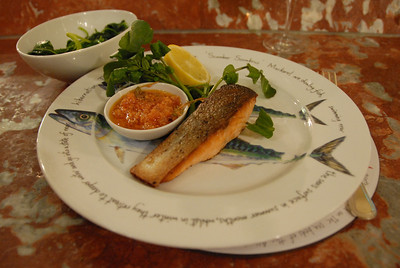
Far from fast or inexpensive, Harrod’s in Knightsbridge nonetheless gave me the best lunch of my London visit. Famed for its luxury items, the department store possesses an extravagant, ground floor food hall. Here I saw everything from shredded beef biltong to black truffle puree. I also found a wonderful late lunch at its “easy eatery,” the Sea Grill. Its succulent pan-roasted Scottish salmon with tomato-garlic salsa and sauteed spinach was well worth splashing out on.

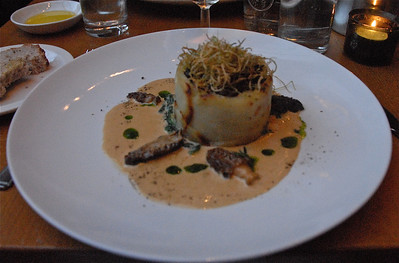
So, too, was dinner at E&O in Notting Hill, Ottolenghi in Islington and The Gate in Hammersmith. Of the three, The Gate remains the most memorable. Never has vegetarian cuisine tasted so good. If you go, consider the potato and wild mushroom rotolo for your entree and the Eton mess for dessert. Likewise outstanding was the Pan-Asian offerings at E&O. Baby aubergine and spicy miso dim sum, king prawn & black cod gyoza, chili tofu and the utterly British banoffee pie are just a few of the highlights from this vibrant restaurant.

When I think over my London dining experiences, I’m not surprised that I packed on pounds. I’m just surprised that I didn’t gain more!

BUTTERMILK SCONES
from Trudie Styler and Joseph Sponzo’s The Lake House Cookbook (Clarkson Potter, 1999)
Makes 6

1 1/2 cups plus 2 tablespoons plain white flour
2 teaspoons baking powder
1/2 teaspoon salt
1/4 cup unsalted butter, diced
1/3 cup raisins
1/4 cup superfine sugar
1/2 cup buttermilk
beaten egg, to glaze

Preheat the oven to 450 degrees Fahrenheit. Sift the flour, baking powder and salt into a large mixing bowl. Rub the butter into the flour mixture until it resembles coarse bread crumbs. Add the raisins and sugar and stir to combine. Make a well in the center then stir in enough buttermilk to form a soft dough.

On a lightly floured work surface turn out the dough and knead lightly. Roll the dough out to 1″ thick and cut into rounds with a 2 1/2″ plain cutter. Transfer the rounds to a baking sheet lined with parchment paper. Using a pastry brush, brush the tops of the scones with the beaten egg. Bake for 7 to 10 minutes until risen and golden brown on top. Serve hot or cold.

Small Dispatch from a Small Island

This week I’ve been working in England, a country much maligned for yet also quite obsessed with its cuisine. Mention that you write about food and suddenly everyone wants to have a discussion with you. Opinions vary on what constitutes good English food. For some it’s the infusion of other cultures and cuisines that has elevated British cooking. After all, the Indian-inspired chicken tikka masala has become the national dish of England. For others it’s a nostalgia for the past, for Sunday roasts and British sweets.

For many it’s the local, seasonal movement. Daily farmers’ markets thrive in London. Cheese, bread and butcher shops showcasing English-produced goods abound in the city. Stores stocked with local honeys, preserves and condiments blossom. The country is even producing its own white wines. While I can’t attest to the quality of wine, I can vouch for the deliciousness of other homegrown goods.

Ask what sparked this passion for good food and you’ll get a range of responses. The end of WII rationing, which really didn’t end until the 1950’s, slowly opened doors for better cooking. (Rationing and the resultant apathy about cooking are often blamed for England’s terrible culinary reputation.) Immigration and the introduction of different cuisines bolstered the English spirit for good, flavorful food. Likewise, gastronomic writers such as Elizabeth David reinvigorated passions as did celebrity cooks and chefs such Delia Smith, Nigella Lawson and Jamie Oliver.

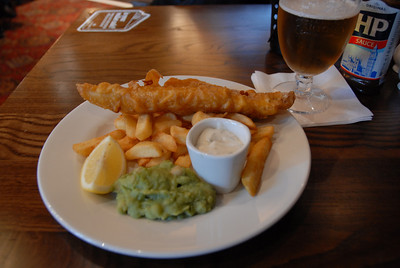
Of course, if you stick to the tourist trail, you’ll still think that British cuisine consists solely of fish, chips and mushy peas. Venture off the beaten path, though, and you’ll find that the English are quite passionate about food.

Flashy Dragon Fruit

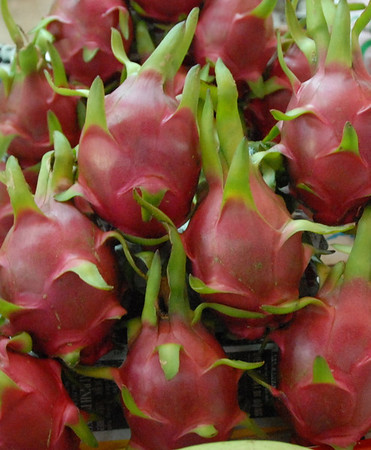
I try to live by the adage, “when in Rome . . ..” As a result, I’ve eaten a fair number of exotic and heavenly foods. I’ve also consumed more than a few odd or unpalatable things. Icelandic hakarl, or putrid shark, ranks high among these as does Vietnamese dragon fruit. Possessing hot pink skin, green spines and black-specked, white flesh, dragon fruit remains one of the flashiest edibles out there. It’s also one of the blandest that I’ve tried. Hence, seeing it touted in this week’s New York Times as the next hot food, I couldn’t help but wonder why. Granted, it’s stunning looking but . . ..

A member of the cactus family, dragon fruit thrives in tropical climates. Although native to Central America, it’s cultivated throughout South America, parts of the West Indies, Southeast Asia and Florida. In Spanish it’s called pitaya. It’s also known as the strawberry pear.

I can see the pear comparison. Similar to an unripe or winter pear, the whitish flesh is a tad gritty but juicy. Unlike a pear, this flesh is flecked with tiny, black seeds, which you can eat. That’s a relief to me for the seeds are far too numerous to consider removing.

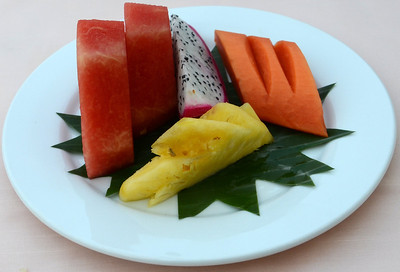
In Vietnam I found mounds of dragon fruit in the markets. I encountered them peeled and sliced at hotel breakfast buffets. I ate them as dessert or as part of salad plates. Everywhere I went, dragon fruit was there.

Although I loved seeing this bizarre fruit, I felt apathetic about consuming it. Extremely mild in flavor, it reminded me off-season produce — it appeared gorgeous but tasted dull. As many have said before me, it was simply “refreshing.”

Don’t let my lackluster assessment dissuade you from trying dragon fruit. Look for it at your local Latin or Asian market. If you don’t want to tackle an entire fruit, you can sample it in herbal teas, fruit juice blends and energy drinks. You can also check it out in SKYY’s latest infused offering, dragon fruit.

Placed in a plastic bag and refrigerated, fresh dragon fruit will keep for up to five days. To serve, peel the fruit with a pairing knife and then cut in half or in slices. Chill before serving. The flesh can be scooped out and eaten with a spoon.

Mad for Shad!

Last Saturday I made what’s quickly becoming an annual pilgrimage to Shad Fest in Lambertville, New Jersey. Although hundreds go to check out the art, crafts and antiques on display, I’m there for the shad that swims upriver to spawn each spring.

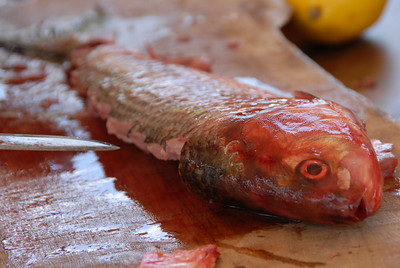
Shad has been called the world’s boniest edible fish. Native American lore attributes this boniness to an unhappy porcupine who yearned to look different than he did. The porcupine asked the Great Spirit Manitou to alter his appearance. In response Manitou turned it inside out and tossed it into a river. At that moment the shad was born.

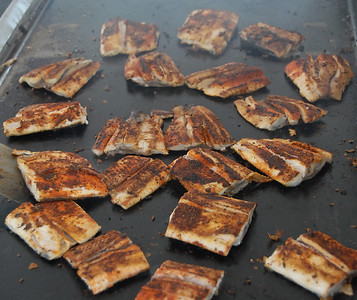
While its numerous, small bones make it impossible to eat whole, a filleted shad is outstanding. Possessing a rich, oily, succulent meat, shad has a remarkable flavor that needs few extra ingredients or fancy techniques to shine. Just slide the fillets under your broiler or plunk them in a pan and cook until lightly browned. You can also bake or grill this fish. I’d advise having a skilled fishmonger or fisherman fillet it for you. Otherwise, you could kill an hour, or more, picking out all the little bones.

Originally known as a food of the poor, shad eventually became prized for its flavorful meat and its sweet, nutty roe. Moist and orange in color, its roe is a springtime delicacy. It responds well to sautéing, poaching and broiling. For a classic shad roe dish, sauté it in 2 to 4 tablespoons of butter until lightly browned, about 6 to 8 minutes. Sprinkle a little ground black pepper over the top and serve immediately.

Unfortunately, shad has become a victim of its popularity and of modern times. According to the Environmental Defense Fund, overfishing, pollution and loss of habitat have reduced the shad population to an all-time low. Whether it recovers or not remains to be seen. With that in mind I’ll continue to enjoy shad but sparingly. So, until the next shad festival . . .

BROILED SHAD FILLETS
Serves 4

1 teaspoon olive oil
1/2 teaspoon ground black pepper
1/2 teaspoon salt
1/4 teaspoon paprika
pinch of cayenne pepper
4 shad fillets (about 2 pounds total)
lemon wedges, for serving

Preheat the broiler on high. Lightly grease a baking sheet with 1 teaspoon olive oil. Mix together the ground pepper, salt, paprika and cayenne pepper.

Lay the fillets, skin side down, on the baking sheet. Sprinkle the seasoning over each fillet and then slide the fish onto the oven’s top rack, directly beneath the broiler. Broil until cooked through and golden on top, about 6 minutes. You can also use a meat thermometer to determine when done. Serve immediately with the lemon wedges.

Tender

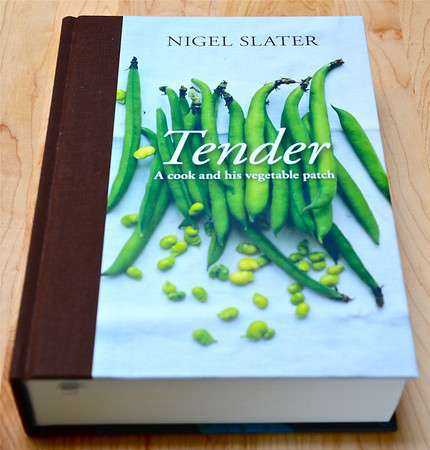
As the weather grows warmer and the days longer, I start thinking about gardens. Because I’ve neither inherited nor developed a green thumb, I usually rely upon farmers’ markets and horticulturally-gifted friends for my garden-fresh produce. However, after reading and cooking from Nigel Slater’s Tender (Ten Speed Press, 2011), I’m tempted to give gardening another try. After all, if Slater can harvest runner beans, pumpkins and eggplants on his small, London terrace, surely I could learn to grow a tomato or two.

In Tender the British food writer shares his experiences planting, cooking and consuming 29 different vegetables. He offers advice on seed selection, composting, humane pest control and gardening tools. Of course, he also discusses cooking techniques, explaining that asparagus needs only a quick steaming or boiling and raw celery root a splash of flavorful vinaigrette to make them great eating.

The 400 or so recipes in Tender are straightforward but delightful nonetheless. Some, such as root vegetable korma, chowder of mussels and leeks, or salad of beans, peas and Pecorino, stand on their own as entrees. Others, such as a Parmesan and olive oil mash or roast cherry tomatoes, serve as lovely sides. A few, including ‘a chicken lunch for a searingly hot summer’s day’ and sea bass with lemon potatoes, provide both main and accompanying dish.

Slater doesn’t focus on savory offerings alone. He also presents delectable, vegetable-infused desserts such as carrot cake, chocolate-beet cake and pumpkin scones. If it can grow in a pot or patch, Slater will have a recipe ready for that vegetable.

Although I devoured his gardening anecdotes, I can only utilize some of the many growing tips. While the East Coast’s climate is somewhat comparable to the UK’s, not every vegetable is planted at the same as or fairs as well as it would in England. Nonetheless, I still loved Slater’s informative and charming stories about nurturing and cultivating produce.

Even if I wimp out and never plant a single seed, I’m glad that I picked up and read this book. Likewise am I happy that I’ve cooked from Tender. Sensible and sensational, it’s a wonderful cookbook for any level of cook.

As Perfect as a Gingered Pear Tart

Some food moments stay with you forever. For me, it’s that first bite of a pear. Thinking that he’d introduce his only child to a delightful, new food, my father had plucked a pear from his lone fruit tree and handed it over to four-year-old me. Willing to please and try anything, I chomped into the golden skin and pulled off a huge piece. It all went downhill from there.

As the story goes, I grimaced, pronounced the pear “gritty” and spit out the offending, unripened piece. That’s the assessment that I made over three decades ago and the one that I’d cling to for almost as long. Care for a pear? No thank you!

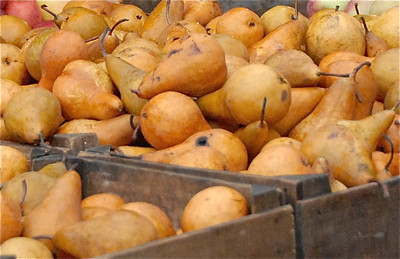
Today, though, I’m quite fond of this bell-shaped fruit. When allowed to ripen off the tree, it can be a divine treat. With over 1,000 varieties and seasons that spread throughout the year I can find a soft, honeyed pear almost anywhere.

Similar to its cousin, the apple, the pear originated in the border between Europe and Asia known as the Caucasus. Spread by traveling Aryan tribes, it moved into North India and Europe. Eventually it arrived in China as well as in America where it became wildly popular in 19th century New England. In the U.S. most of our pears now come from Washington, Oregon and California.

In ancient times the pear was considered superior to apples, more or less the perfect fruit. Its fragrant and juicy flesh made it a beloved dessert. As varieties developed and spread, it also become a favorite for cooking. No wonder. In terms of cooking a pear responds well to a range of methods including baking, grilling, poaching, roasting, sauteing and stewing. It compliments a wealth of foods including almonds, cheese, chocolate, duck, ginger, oranges, pork, raisins, walnuts and wine.

When selecting pears, I look for shiny, firm, unblemished fruit. At home I put them in a cool spot to ripen. When ripe, they are tender, aromatic and easily bruised. I use mature pears right away or refrigerate them to stave off spoilage.

Now that I know how to choose and, most importantly, not to eat immature pears, I use them in an assortment of dishes. I slice and saute them in a sugar and butter and serve them over ice cream. I chop and add them to salads or pair them with Gorganzola, Stilton, Parmesan or Brie cheese and serve them as a first course. My favorite way to prepare pears, though, is to feature them in a tart.

GINGERED PEAR TART
Serves 6

5 pears, peeled, cored and sliced
6 tablespoons unsalted butter
¾ cup granulated sugar
½ teaspoon ground ginger
1/8 teaspoon ground cinnamon
1 sheet (roughly ½ pound) frozen puff pastry, defrosted and cut to fit a 9-inch frying pan

Preheat the oven to 375 degrees Fahrenheit.

Melt the butter, sugar, ginger and cinnamon together in a 9-inch, oven proof pan. Arrange the pear slices in the pan and cook over medium heat for 15 minutes or until a light colored caramel has formed in the pan.

Place the pastry over the pears. Tuck in any extra pastry and then place the pan in the oven. Bake for 20 minutes or until the pastry has turned golden brown. Remove the pan from the oven and allow it to cool.

Invert the pear tart onto a large serving dish and serve warm.

Falafel Frenzy

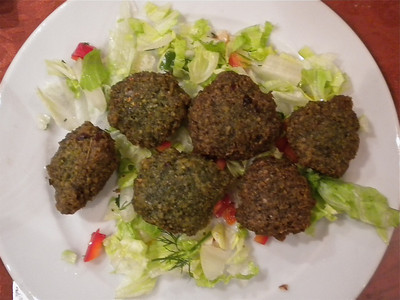
Okay, maybe there isn’t an all-out, nationwide frenzy for falafel. Yet, on the same night this week that I made falafel sandwiches for dinner, I learned that Subway now sells foot-long falafel subs. Although I walk past a Subway shop several times a day – coincidentally, en route to the actual subway — I hadn’t been aware of its new offering. What I do know and have experienced are countless croquettes of spiced, ground chickpeas known as falafel.

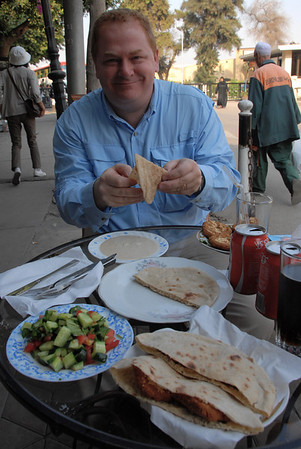
A specialty of the Middle East, falafel reputedly originated in ancient Egypt. Today it’s one of the country’s national dishes and served as an appetizer as well as a snack. Among Egypt’s Coptic Christians, it’s acts as a substitute for meat during Lent. Tucked inside a soft, fresh pita and dressed with tomatoes, cucumbers, lettuce and/or tahini or a yogurt dressing, falafel makes a delightful sandwich.

In Egypt falafel are made with white broad beans or fava beans. In Lebanon, Syria, Jordan, Palestine and Israel they come from chickpeas or a mixture of chickpeas and fava beans, which is how I know them best.

To make falafel, dried chickpeas or fava beans are soaked in water overnight before being ground together with parsley, garlic and other seasonings. Note that cooked, canned chickpeas or fava beans are never used. These would make the falafel too mushy.

The subsequent paste is shaped into balls or patties. I use my hands to do this but you can employ a special tool, aleb falafel, to form them. An aleb falafel looks a bit like an ice cream scoop and possesses a lever that pops the ball into the bubbling cooking oil. If you’re concerned about your falafel falling apart or splashing oil as it enters the deep fryer, this is a handy tool to have.

Once the falafel balls have turned a golden brown, they’re plucked from the oil and placed on paper towels to drain. From here they’re served warm, over lettuce or in an open pita. In my opinion, they’re absolutely delicious. Delicious on a hoagie roll at Subway? I’m a tad skeptical. However, if you’re curious, check out this review from NPR.

FALAFEL
Courtesy of Clare Ferguson’s Street Food (Time Life Books, 1999)
Serves 6

1 1/4 cups skinned, dried fava beans
2/3 cup dried chickpeas
8 scallions, chopped
4 cloves garlic, chopped
3/4 cup chopped parsley
3/4 cup chopped cilantro
1/2 teaspoon chili powder
2 teaspoons cumin seeds, crushed
2 teaspoons coriander seeds, crushed
1 teaspoon salt
2 teaspoons baking powder
olive oil, for deep frying
6 pitas, for serving
sliced lettuce, onion, tomato, cucumber, for serving
tahini, for serving

Soak the beans and chickpeas separately in cold water for 24 hours. When ready to prepare, drain the beans and chickpeas, put into a food processor and puree to a coarse paste. Add, in batches, the scallions, garlic, parsley, cilantro, chili powder, cumin, coriander seeds, salt and baking powder.

Scoop out golf ball-sized spoonfuls of the mixture and press between your palms into sauce-shaped disks. Repeat until all the mixture has been used.

Fill a large saucepan 1/3-full with the olive oil and heat to 350 degrees Fahrenheit or until a cube of bread browns in 40 seconds. Add the falafel, a few at a time, and deep-fry for about 2 minutes, turning them over halfway through. Remove from the oil with tongs or a slotted spoon, drain on crumpled paper towels and keep warm in the oven — oven on low — until ready to serve.

Place the falafel inside the pitas, add the lettuce, tomato, onions and cucumber and drizzle with tahini.

Shrimp!

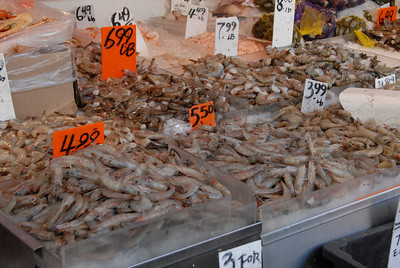
They’re Americans’ favorite shellfish and, after canned tuna, their preferred seafood. Yet, until the 20th century, shrimp were not readily available to diners. Unless you lived in the South, where shrimp were sold live, you missed out on these flavorful, little crustaceans. By the early 1900’s, though, advances in fishing trawler refrigeration allowed the mass marketing of and subsequent nationwide craze for shrimp.

Over 300 species exist worldwide but I tend to find six or seven in our markets. Gulf White, Pink and Brown, Ecuadoran or Mexican White, Chinese White, Black Tiger and Rock are the types that I see. As the names suggest, Gulf shrimp hail from the Gulf Coast, Chinese and Black Tiger come from Asia, etc. Of these Black Tiger is the largest, growing up to one-foot in length. It’s also one of the more expensive. As a general rule, the larger the shrimp, the higher the cost.

Buy shrimp and you buy according to number per pound or count. The smaller the number in the count, the larger the shrimp will be. You’ll need only 10 or less colossal shrimp to make a pound. With jumbo shrimp it’s 11 to 15 per pound. Extra-large is 16 to 20. Large needs 21 to 30. Medium requires 31 to 35 while small has a count of 26 to 45.

When purchasing shrimp, you’ll end up buying frozen or frozen that has been defrosted and displayed in your fishmonger’s case. As there’s no benefit to defrosted shrimp, go with frozen. That way you don’t have to use it right away. Nor do you need to fret over how long it’s been hanging around in the case. If you do opt for defrosted, smell the shrimp before buying it. If you get a whiff of ammonia or other off odors, skip it. Likewise, stay away from shrimp with pitted, yellow or spotted shells and those that feel mushy.

Why do Americans love shrimp? I can think of a slew of reasons, including simplicity, versatility, ease of preparation and flavor. I can bake, boil, broil, deep-fry, grill, poach, roast, saute, steam or stir-fry these guys. I can serve them with a splash of lemon juice or cocktail sauce, lay them over a bed of lettuce or pasta, layer them in a sandwich or feature them in a stir fry. They require only a minimal amount of cooking — just until they turn pink — and have a wonderfully nutty taste.

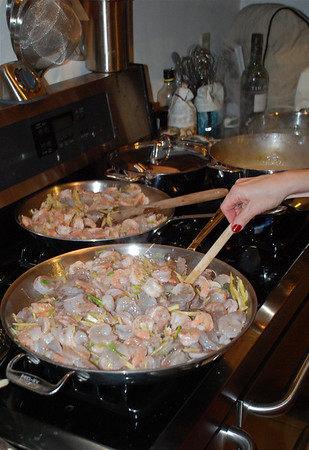
One of my favorite ways to prepare shrimp is to saute them with a bit of ginger, garlic, spring onion, olive oil and sherry. The end result is Ginger-Scallion Shrimp, a quick, easy and delicious dish.

SAUTEED GINGER-SCALLION SHRIMP
Serves 4

1 pound frozen jumbo or extra large shrimp
3 scallions, washed
1 medium-sized fresh ginger root, peeled
2 cloves garlic, peeled
2 tablespoons olive oil
generous splash of Tio Pepe sherry

Defrost the shrimp in the refrigerator or in a bowl of cold water. Peel them and set aside.

Slice the scallions, ginger and garlic into spiky matchsticks. Place them in a large saute or frying pan, add the oil and heat on medium, stirring occasionally. Once the vegetables have started simmering, add the peeled shrimp and toss to combine. Cook for 3 to 5 minutes, tossing periodically. When finished, the shrimp will have turned coral pink in color. Add the sherry, toss to combine again and serve immediately with slices of Italian or French bread.

Seven Fires

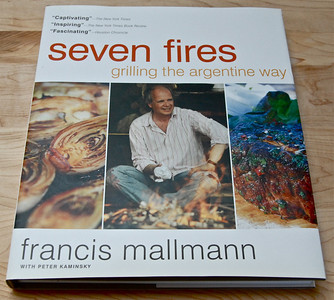
Whether you’re dusting off your grill as the weather warms or toughing it out and grilling year-round in snow, sleet and freezing rain, you’ll want to check out Francis Mallmann’s Seven Fires Grilling the Argentine Way (Artisan, 2009). Employing time-honored techniques, South America’s most celebrated chef shares how to grill, both expertly and easily, meats, seafood, vegetables, fruits and breads. Everything that I’ve wanted to know about good grilling I’ve found in Seven Fires.

Mallmann’s seven fires are seven methods of wood-fired cooking. These consist of cooking in wood ovens (horno de barro), spits (asador), cast-iron grates (parilla), sheets (chapa) and kettles (caldero) as well as in embers (rescoldo) and extreme heat (infiernillo). Early in the book Mallmann details how to work with these seven fires. He also covers how to build and light wood fires and how to gauge cooking temperatures. In essence he takes all the guesswork out of grilling.

Fundamentals finished, Seven Fires moves on to the meat of the cookbook — recipes. Although Argentinian cuisine strongly favors beef, Mallmann gives equal billing to other meats, seafood and produce. In fact, I’ve used his caramelized endives with vinegar, smashed potatoes with tapenade crust and stacked ratatouille as a meal for vegetarian friends. For the pescetarians in the bunch I’ve also made his burnt carrots with goat cheese, parsley, arugula and crispy garlic chips as an appetizer, grilled scallops with endive and radicchio as the main course and burnt oranges with rosemary for dessert. Sophisticated yet simple, his recipes never fail to please. I only wish that he included more than 100 or so dishes in the book.

For those unable to build a big wood fire, get an infiernillo going and grill outdoors Mallmann has adapted his recipes. Many can be executed by placing a two-burner cast iron griddle or grill over your cook top or firing up your oven to 500 degrees Fahrenheit. The experience won’t be as atmospheric as cooking outdoors but it will still yield highly flavorful foods.

Similar to other favorite cookbooks, Seven Fires can serve as both a cookery and a coffee table book. Flip through the illustrated pages and you’ll embark on a cultural journey through Mallmann’s homeland, Argentina. Sumptuous color photographs of the Argentinian landscape, people, and, of course, food accompany Mallmann’s well-written and thoughtful text. No question about it. Seven Fires is a visual as well as gustatory delight.

This spring, as you reach for your grill tongs, be sure to grab Seven Fires, too. Insightful, sensible and beautiful, it will change the way that you grill forever and for the better.