Latest Posts

Perfecting Pita

PITA

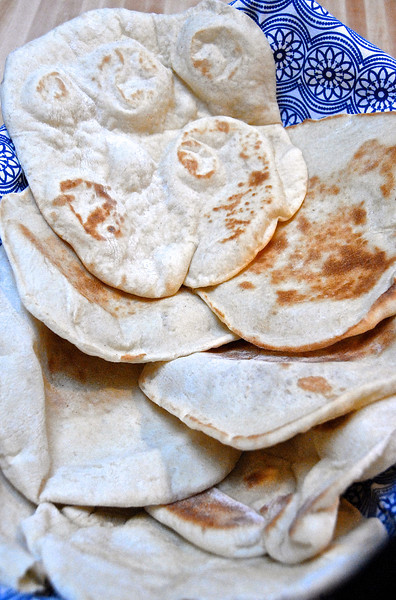
BASKET OF SOFT, HOT-FROM-THE-OVEN PITA

I’d call this my winter of eating globally but, truthfully, my interest in world cuisines started early and largely as a result of my Western Pennsylvania hometown. A former steel city, New Castle boasted of an array of ethnic backgrounds and extraordinary foods. Forget bland white bread, burgers, tomato soup and apple pie. I grew up eating such exotic, Mediterranean specialties as spinach pie (spanikopita), stuffed grape leaves (dolma), pasta fagioli and tiramisu.

A childhood favorite that I still adore is pita. Unfortunately, depending on whose you’ve eaten, this Mediterranean flat bread is either an ethereal vessel for falafel and souvlaki or a dry, tough disc that’s impossible to chew. In recent months, as markets and Mediterranean cafes change their bakeries, I’ve been stuck with the unappetizing kind. Because I love the tag team of hummus and pita — I could eat it every day of the week — I’ve become annoyed, really annoyed, with the lousy pita supply.

Enter homemade pita. Soft and airy, it’s a far cry from stale, store-bought bread. Plus, it’s so quick and easy to make; I’m embarrassed that I didn’t start baking my own sooner.
PITA DOUGH

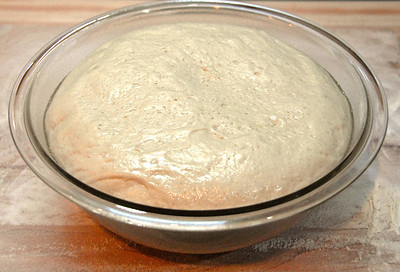
THE RISING OF THE PITA DOUGH

For my first attempt I followed the pita recipe from The Joy of Cooking (Scribner, 1997). With its simple ingredients, concise instructions and the book’s excellent track record it was an obvious starting point.

The recipe didn’t disappoint. After two hours of watching the dough rise and three minutes of baking it I had one mini and eight large pitas. Soft, fluffy and flexible, they left the stale, mass-produced versions in the dust.
BAKING PITA

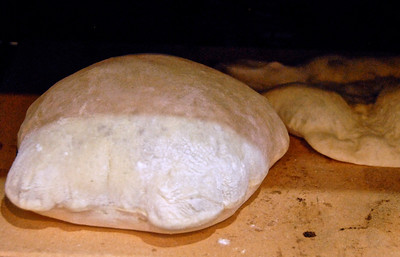
PITA PUFFED UP IN THE OVEN!

At this point I won’t claim to have mastered pita making. Compared to commercially baked pita, my loaves seem a bit large. They may also be a tad too light to hold hot, juicy foods such as grilled chicken or fish. They are perfect, though, for scooping up hummus and enveloping salads.

For now I’ll pass along The Joy of Cooking recipe, sans tweaks. Check back in the coming weeks for updates as I attempt to perfect pita. Up next . . . what to stuff into your homemade Mediterranean flat bread.

PITA BREAD
from Rombauer et al’s The Joy of Cooking (Scribner, 1997)
Makes 8 pitas

3 cups bread flour
1 1/2 tablespoons sugar
1 1/2 teaspoons salt
4 teaspoon active dry yeast
2 tablespoons melted butter
1 1/4 cups room temperature water

In a large mixing bowl or heavy mixer combine the flour, sugar, salt and yeast. Add the butter and water and mix to combine. Using either your hands or the dough hook on your mixer, knead for 10 minutes or until the dough is smooth, soft and elastic. Add extra water as needed; the dough should not be sticky.

Transfer the dough to an oiled bowl and turn it over once to coat. Cover with plastic wrap and allow to rise at room temperature until doubled in volume, 1 to 1 1/2 hours.

Punch down the dough, divide equally into 8 pieces and roll each piece into a ball. Cover and allow to rest for 20 minutes.

Preheat the oven to 450 degrees Fahrenheit. If you don’t have a pizza or baking stone, place a baking sheet upside down on an oven rack to serve as your hearth.

On a lightly floured surface, roll out each ball into a round that’s 8-inches in diameter and about 1/8-inch thick. Spray the stone or baking sheet with water, wait 30 seconds and then place as many dough rounds as will fit without touching onto the hearth. Bake until the dough puffs up, about 3 minutes, wait 30 seconds and then remove each loaf to a cooling rack. Repeat until all the dough rounds have baked.
Simmering Heat of Szechuan Pepper Shrimp

Another week into the new year and I’m still fixated on lighter fare. Although Asian cuisine continues to dominate my dinner menus, right now it’s not so much a specific dish as it is a spice, Szechuan pepper, that I crave. With its mildly hot, slightly piquant tang Szechuan pepper brings a clean, wholesome warmth to my winter cooking.

SZCHECHUAN PEPPER

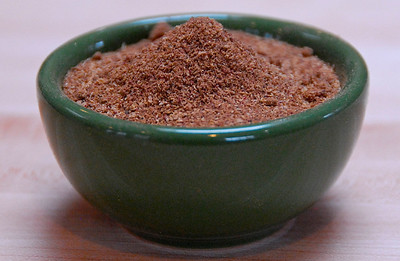
GROUND SZCHECHUAN PEPPER

Contrary to its name, Szechuan pepper doesn’t belong to the peppercorn family or even grow on vines as peppercorns do. Instead these reddish-brown berries come from prickly ash trees. Originating in the Szechuan province of China, they also appear in parts of Japan, India, Tibet and Indonesia. Dried, the aromatic berries are sold whole and in powdered form. With a little searching I can find both whole and ground Szechuan pepper at Asian markets and well-stocked spice shops such as Kalustyan’s.

Cooks often use Szechuan pepper to dress up spare ribs, pork loin or duck. Because I’m not a pork or beef eater, I add it to my favorite protein source, seafood. When tossed together with sea salt and possibly another spice or two, it makes a lovely, zesty coating for shrimp, char and catfish. Its gentle heat also pairs nicely with cloves, garlic, ginger, onions, rice wine, soy sauce, star anise and snow peas. When mixed with ground cloves, cinnamon, star anise and fennel, it becomes the spice blend known as Chinese five spice powder.

Below is my current favorite way to cook with Szechuan pepper. As my husband says about this Kitchen Kat creation, ‘it’s the perfect spicy food for people who don’t like spicy foods.’

SZCHECHUAN PEPPER SHRIMP

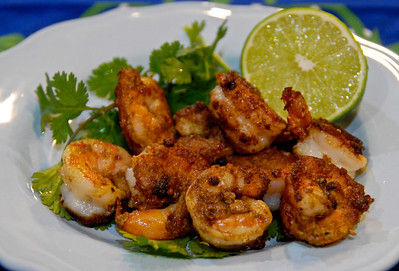
SZECHUAN PEPPER SHRIMP
Serves 4

1 teaspoon coarse sea salt
1 teaspoon ground Szechuan pepper
1 teaspoon red peppercorns
½ teaspoon garlic powder
¼ teaspoon ground ginger
2 tablespoons olive oil
1 pound (26-31 count) farmed, North American shrimp, defrosted and peeled
1 egg white
1 lime, quartered

In a small mortar and pestle or spice grinder mash together the salt, Szechuan pepper, peppercorns, garlic powder and ginger. Spread the mixture across a small plate.

Heat the olive in a large frying pan over medium heat. As the oil is heating, dredge the shrimp, one at a time, through the egg white and then through the spice mixture, lightly coating both sides. Repeat for all the shrimp.

Place the coated shrimp in the pan and cook for 3 minutes. Flip the shrimp over and cook until curled and cooked through, 2 to 4 minutes. Remove from the heat and serve with the lime wedges.

Fortify the New Year with Pho


Like many, I’ve been in a post-holiday slump. Endless days of cooking, baking and eating rich, heavy dishes have left me apathetic about food. Want lunch? Pour some milk over a bowl of Cheerios and dig in. Yeah, I’ve felt that uninspired.

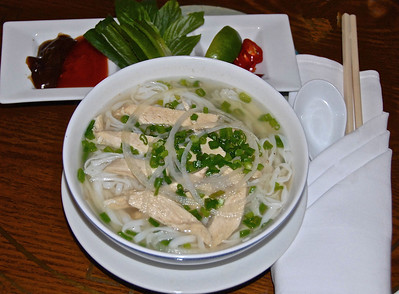
Since I can’t live on dry, oat cereal alone, I’ve turned to a delicate dish favored by my husband’s Vietnamese step-father, pho. Part soup, part entree, this Vietnamese specialty boasts of clean flavors, fresh ingredients and satisfying portions. Pho’s wholesome simplicity and ease of preparation make it a wonderful antidote to the food funk into which I’ve slipped.

Pho begins with a clear stock made from beef, chicken or pork, water and a bouquet garni. Cooks pour the heated stock into bowls filled with blanched rice noodles, strips of meat or fish and sliced spring onions. To this they may add mint, cilantro, bean sprouts and/or chilis. To add a little zing, they may serve pho with a splash of lime juice or fish sauce or dab of chili paste. Appetizing and light, it’s a surprisingly filling dish. I can last for hours, sans snacks, on a single bowl of pho. Pretty much a miracle for a grazer like me.

Traveling through South Vietnam two winters ago, I ate pho at breakfast, lunch and dinner. Although considered street food, it was served by home cooks and featured in sit-down restaurants. Any time that I felt hungry, I could count on finding a steaming bowl of pho. Its uncomplicated nature, delicious flavor and wide availability made it an easy and obvious meal.

Fresh and restorative, pho has pulled me out of my seasonal stupor. Perhaps it will do the same for you. Why not put down that box of dull cereal and cook up a fortifying pot of pho?

CHICKEN PHO
Serves 8

Fight the urge to use store-bought chicken broth and make your own for this dish. The quality and flavor of homemade is vastly superior to commercial stock and will result in a tastier pho.

For the stock:
5 quarts water
1 tablespoon black peppercorns
6 cloves garlic, smashed
3-inch piece of fresh ginger, smashed
1/2 bunch fresh cilantro
2 large white onions, peeled and halved
2 stalks celery, halved
1 (31/2- to 4-pound) whole chicken, quartered
1 teaspoon sugar
2 tablespoons salt
1/2 cup fish sauce, divided

For the pho:
3 pounds flat rice noodles
4 spring onions, whites and 1-inch of greens sliced
2 cups bean sprouts
1/2 bunch fresh mint, roughly chopped
1 bunch fresh cilantro, roughly chopped
2 serrano or Thai/bird’s eye chilies, sliced, optional
2 limes, cut into wedges, for serving
fish sauce, for serving
Tabasco sauce, for serving

Place the water in a large stockpot and bring to a boil over high heat. As the water is heating, place the peppercorns, garlic, ginger and cilantro in a square of cheesecloth. Fold the cloth into an envelope and then tie off to close. (You can also use a large spice ball for your bouquet garni.)

Lower the bouquet garni, onions, celery and chicken into the boiling water. Cook, uncovered, for 30 to 40 minutes, skimming off any impurities. Once the chicken has cooked completely, remove and place it on a cutting board. Using a chef’s or carving knife, remove the skin and bones from the chicken and return them to the stockpot. Allow the meat to cool before slicing into 2-inch strips, covering and refrigerating for later use.

Reduce the heat on the stockpot to medium-low and add the sugar, salt and half of the fish sauce. Cover and allow to simmer for 2 hours or until the stock has reduced by half. Taste and add the remaining fish sauce if needed.

Strain the stock through a cheesecloth-lined, fine mesh strainer or chinois and into a clean stockpot. Place the stockpot on a burner over low heat and cover to keep warm.

Bring a large saucepan filled with water to a boil over high heat. Add 6 to 7 ounces of rice noodles and cook for 20 to 30 seconds. Remove the noodles, drain and place them in a large soup bowl. Repeat with the remaining noodles, distributing them into 7 additional soup bowls.

Lay equal amounts of cooked chicken, green onions and bean sprouts on top of each mound of noodles. Pour hot stock over the ingredients, covering completely. Garnish the pho with mint and cilantro and optional chilies. Serve with little bowls of fish sauce, lime wedges and Tabasco.

A Basket of Bakers’ Delights

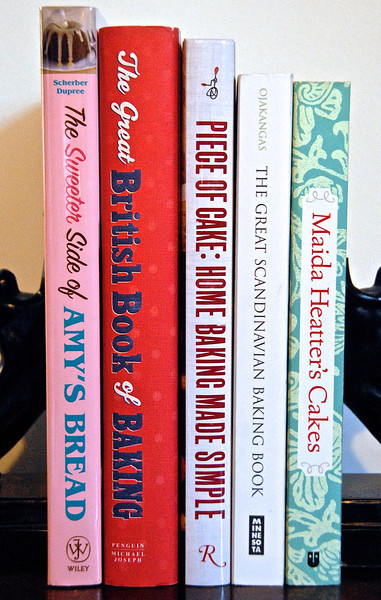
It’s my favorite time of the year — time to bake and eat lots of glorious sweets! For bakers and the bakers on your shopping list I offer a few cookbook titles for the holiday season. Included are some oldies but goodies and loads of delicious treats.

The Great British Book of Baking by Linda Collister (Michael Joseph, 2010)
A British import, The Great British Book of Baking delights the Anglophile in me. Yet, you don’t have to love scones or soda bread to appreciate this beautiful book. Featuring 120 classic as well as modern recipes and histories and anecdotes for each, it takes readers on a journey through the best of British baking. Please note that ingredient measurements are in metric.

Maida Heatter’s Cakes by Maida Heatter (Andrews McMeel, 2011)
First published in 1982, Maida Heatter’s Cakes offers 175 reliable, delectable recipes for cakes of countless stripes. Plain, chocolate, layer, fruit, nut, cheese, gingerbread, vegetable . . . you name the cake, this James Beard Award-winning “Queen of Desserts” has it covered. Similar to Heatter’s other timeless dessert books, this cookbook features clear, precise instructions, ensuring that even a novice baker can succeed in making such elaborate creations as Star-Spangled Banner and Black-and-White Layer Cakes.

Piece of Cake by David Muniz and David Lesniak (Rizzoli, 2012)
Written by Americans Muniz and Lesniak, who own and operate London’s first American bakeshop, Outsider Tart, Piece of Cake celebrates quintessential American sweets. Whoopie pies, brownies and cheesecakes all get their due. Likewise, one of my favorites, the humble coffee cake, gets a dash of excitement in such recipes as nutmeg and strawberry rhubarb coffee cakes. Subtitled “Home Baking Made Simple,” this cookbook shows how easy it is to create winning, homemade sweets.

The Great Scandinavian Baking Book by Beatrice Ojakangas (University of Minnesota, 1999)
Whether you’re intrigued by Scandinavia or simply interested in expanding your baking repertoire, you’ll adore The Great Scandinavian Baking Book. Showcasing the baked goods of Sweden, Denmark and Norway as well as Iceland and Finland, the cookbook enables both skilled and first time bakers to make a host of exotic yet wholesome goodies. With concise instructions and detailed illustrations you’ll be braiding your own fragrant cardamom rings and rolling creamy butterhorns in no time.

The Sweeter Side of Amy’s Bread by Amy Scherber and Toy Kim Dupree (Wiley, 2008)
Just typing the title makes me hungry. A longtime fan of Amy’s Bread, I had to own this cookbook. With it in my collection I can whip up unbeatable devil’s food cupcakes, gooey coconut dream bars and cinnamon raisin twists at any place or time. Even if you’ve never tried one of Amy’s heavenly butterscotch cashew bars or ethereal red velvet cake, you’ll end up craving this colorful book. Brimming with over 70 exquisite recipes, The Sweeter Side of Amy’s Bread is a dessert lover’s dream cookbook.

Books for Readers and Cooks

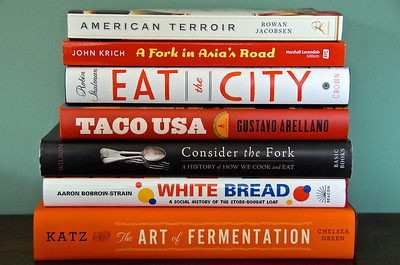
For as long as I can remember, I’ve been a voracious reader. Fiction, non-fiction, newspapers, magazines, websites, blogs, cereal boxes . . .. Thanks to my not-so-secret addiction and a gravitation to the culinary world, I consume a lot of good — and not so good — food writing. Below are the best of what I read in 2012.

Other than having well-written, well-researched, engaging text and being great holiday gifts, there is no common theme for these selections. Nonetheless, you may notice several America-centric books as well as two with “fork” in the title. These are pure coincidences. Next week, noteworthy baking cookbooks.

Taco USA by Gustavo Arellano (Scribner, 2012)
Rest assured – this is not just about tacos. Gustavo Arellano discusses a host of Mexican imports including such beloved foods as salsa, tortillas, burritos and, yes, tacos. He includes profiles of such disparate characters as the founders of Frito-Lay, Old El Paso and Chipotle and the creator of the frozen margarita machine. As you might expect from the title and aforementioned figures, Taco USA delivers a uniquely American take on Mexican cuisine.

White Bread by Aaron Bobrow-Strain (Beacon, 2012)
Ever wonder how Americans came to love and later to disdain loaves of soft, processed, white bread? Even if you haven’t, you’ll still enjoy Aaron Bobrow-Strain’s compelling look at the history of white bread. Detailing the social, economic, political and health conditions surrounding the rise and fall of processed bread, he provides a thoughtful and appealing account of this oft maligned but still fundamental food.

American Terroir by Rowan Jacobsen (Bloomsbury, 2010)
American Terroir shares the spot with Eat the City as my favorite food read of 2012. Fascinating, informative and entertaining, Rowan Jacobsen’s book explores the relationships between soil, climate and food. Profiling such diverse American favorites as maple syrup, salmon, avocados and cheese, he shows just how complex the partnership between earth and food can be. Recipes and buying sources accompany each chapter.

The Art of Fermentation by Sandor Ellix Katz (Chelsea Green, 2012)
An invaluable resource for any serious cook, this books deserves a category of its own. Perhaps ‘outstanding reference manual for home fermenters’ for that describes The Art of Fermentation perfectly. Filled with historical, cultural, nutritional and practical information, Katz’s book is written for both novices and old hands at home fermenting. Whether you’re interested in making sauerkraut, want to cure meat, or just curious about how sodas and beer get their fizz, you’ll find this book illuminating.

A Fork in Asia’s Road by John Krich (Marshall Cavendish, 2012)
Intrepid travelers, adventuresome eaters and fans of Asian cuisine will appreciate A Fork in Asia’s Road. In 50 short essays John Krich looks at the foods and food fads of such countries as China, India, Singapore, Malaysia, Vietnam and Japan. Covering such themes as food as novelty, history, politics and science, he provides a colorful, first-hand glimpse at this region’s surprising cuisines.

Eat the City by Robin Shulman (Crown, 2012)
In this well-crafted book of culinary journalism and social history Robin Shulman looks at the past and present food producers of New York City. From rooftop beekeepers and East River fishermen to the shuttered Domino Sugar factory and Fourteenth Street Market she explores how people live and eat off the land, even when much of that land is covered by concrete. Revealing and captivating, Eat the City will charm fans of good writing, history, urban farming and, of course, NYC.

Consider the Fork by Bee Wilson (Basic Books, 2012)
Dubbed “A history of how we cook and eat,” Consider the Fork delves into the backgrounds of such fundamental tools as knives, spoons, mortars and pestles and chopsticks. Bee Wilson’s narrative also covers such basic techniques as measuring, blending, heating and chilling, showing readers how each everyday act came into being. Chocked full of interesting facts and illustrations, it’s both a charming and enlightening book.

Although I won’t provide reviews, I want to mention a few other memorable reads from 2012. These include Upton Sinclair’s seminal fictional account of the meatpacking industry, The Jungle (Doubleday, 1906) and the non-fiction The End of the Line: How Overfishing is Changing the World and What We Eat by Charles Clover (New Press, 2006), The Last Fish Tale by Mark Kurlansky (Riverhead, 2009), Empires of Food by Evan D.G. Fraser and Andrew Rimas (Arrow, 2011), The Sushi Economy by Sasha Issenberg (Gotham, 2008) and Jancis Johnson’s The Oxford Companion to Wine (Oxford University Press, 2006).

Great Books for Cooks

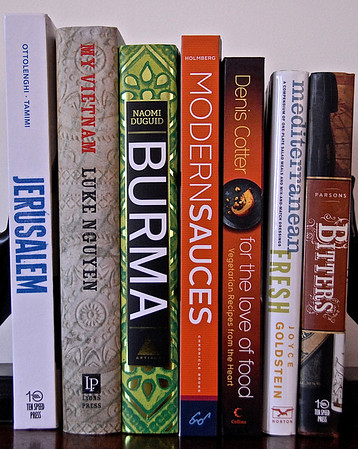
As a food writer, occasional reviewer and all-around fan of cookbooks, I have a long list of favorite books. Each year the lineup grows to include recent publications as well as titles new to my collection. Below are the best from my 2012 acquisitions. Whether you’re holiday shopping or just browsing for yourself, the following will be wonderful additions to any kitchen shelf. Next week . . . a few fabulous baking and culinary history books.

For the Love of Food by Denis Cotter (Collins, 2011)
In his fourth cookbook Irish chef and restauranteur Denis Cotter serves up a wealth of quick, flavorful vegetarian recipes. Over the course of nine chapters he covers such sumptuous dishes as Portobello and roast tomato florentine, orecchiette with broad beans and baby courgettes, and citrus, sultana and maple rice pudding with raspberries. Once again, Cotter offers creative meals that will delight both vegetarians and meat-eaters.

Burma by Naomi Duguid (Artisan, 2012)
Maybe you love to learn about exotic lands. Perhaps you crave a new cuisine to cook. In either case you’ll want to explore Burma. In this beautifully photographed tome Naomi Duguid takes readers on a cultural and culinary journey through this formerly isolated region. Through 125 detailed recipes she exposes the warmth and exoticism of the Southeast Asian country known as Burma or Myanmar.

Mediterranean Fresh by Joyce Goldstein (Norton, 2008)
If you know someone who wants to eat more healthfully and interestingly, then Mediterranean Fresh is the cookbook to give to him. Featuring 110 salad and 30 dressing recipes, Joyce Goldstein’s book showcases the wholesome ingredients and flavors of the Mediterranean. As the book jacket claims, “there is more to salads than the salad bar.”

Modern Sauces by Martha Holmberg (Chronicle Books, 2012)
One part reference manual plus one part techniques class plus one part recipe book equals an invaluable cookbook. In Modern Sauces Martha Holmberg shows how to create such classics as bechamel, hollandaise and sabayon and use them in such modern dishes as smoked salmon Benedict bites and rum-soaked prune and frangipane tart with maple-rum sabayon. Featuring over 150 recipes and handy tips, Holmberg’s book is a must-have for any serious cook.

My Vietnam by Luke Nguyen (Lyons Press, 2011)
As a fan of Vietnamese cuisine and a recent traveler in Vietnam, I am smitten with Luke Nguyen’s personal look at regional Vietnamese cooking. To learn why, see my January 2012 review at Zester Daily.

Jerusalem by Yotam Ottolenghi and Sami Tamimi (Ten Speed Press, 2012)
Last year I recommended both Ottolenghi and Plenty as holiday gifts. This year I’m touting Ottolenghi’s and Tamimi’s exploration of their homeland, Jerusalem. With gorgeous, illustrative photographs and easy-to-follow recipes for such dishes as marinated sweet and sour fish and semolina, coconut and marmalade cake it’s sure to become a favorite of yours/your gift recipient.

Bitters by Brad Thomas Parsons (Ten Speed Press, 2011)
Brad Thomas Parsons provides readers with a fascinating look at the storied cocktail ingredient bitters. Through histories, engaging anecdotes, flavor profiles and recipes for both classic and modern drinks, he takes the mystery out of this powerful and aromatic spirit. Even if you never mix a “Horse’s Neck” or own a bottle of bitters, you’ll enjoy reading this engaging book.

Taking Sides on Turkey Day Take 2

The countdown to turkey day has begun! Rather than take up valuable shopping and cooking time talking about the history of Thanksgiving side dishes, this year I’ll share a few recipes for easy and fabulous offerings. Whether you’re hosting a huge feast for family and friends, traveling to a potluck or holding an intimate dinner for two, the following sides will surely satisfy. For additional Thanksgiving recipes, check out Kitchen Kat’s 2011 entry on Taking Sides for Turkey Day.

“TOP” (TURNIP-ONION-POTATO) CASSEROLE
Serves 4 to 6

2 turnips, trimmed and cut into chunks
1 large red onion, cut in half and then quartered
1 large yellow onion, cut in half and then quartered
1 yam, peeled and cut into chunks
1 Idaho potato, peeled and cut into chunks
3 red bliss potatoes, washed and quartered
1 large orange bell pepper, cut into chunks
8 cloves garlic, peeled and halved
1/3 cup olive oil
freshly ground black pepper, to taste
4 ounces Haloumi cheese, thinly sliced

Preheat the oven to 400 degrees Fahrenheit.

Coat the interior of a baking dish with 1 tablespoon olive oil. Add the vegetables and then drizzle the remaining olive oil over them. Season with pepper and then toss to coat evenly.

Bake, uncovered, for 45 minutes or until the vegetables have browned slightly.

Remove the baking dish from the oven. Turn the broiler on medium.

Spread the sliced Haloumi over the vegetables and return to the top rack of the oven. Broil until the cheese has melted and browned, 1 to 2 minutes. Serve immediately.

GOLDEN CAULIFLOWER
Serves 8

6 pounds cauliflower, cut into 1-inch florets
4 tablespoons olive oil
11/2 teaspoons sea salt
1 teaspoon freshly ground black pepper
1/2 teaspoon ground nutmeg
Good-quality aged balsamic vinegar

Preheat the oven to 450 degrees Fahrenheit.

In a large bowl toss together the cauliflower, olive oil, salt, pepper and nutmeg.

Spread the cauliflower evenly over a large baking sheet. Roast, turning the florets periodically, until they become soft and golden brown, 25 to 35 minutes. Drizzle balsamic vinegar over the top and serve.

APPLE-CRANBERRY-CORNBREAD STUFFING
Serves 6 to 8

4 cups crumbled cornbread
2 cups wheat bread crumbs
4 tablespoons unsalted butter
1/2 cup finely chopped white onion
1/2 cup finely chopped celery
1 cup diced Macintosh apples
1/2 cup dried cranberries
1/2 teaspoon dried thyme
1/2 teaspoon dried rosemary
1/2 teaspoon salt
2/3 cup apple cider
1/2 cup chicken stock

Place cornbread and wheat bread crumbs on a baking sheet and toast under a medium broiler until browned. Remove and place in a large bowl.

Preheat the oven to 350 degrees Fahrenheit. Butter a large baking dish.

In a small sauté pan heat 2 tablespoons of butter. Add the onion and celery and sauté for 10 minutes, until softened but not browned. Place the sautéed vegetables in the bowl with the breadcrumbs. Add the apples, cranberries, thyme, rosemary and salt and stir until the ingredients are well combined. Evenly pour the apple cider and the stock over the stuffing and toss together.

Loosely layer the stuffing in the buttered baking dish. Dot the top with the remaining 2 tablespoons of butter. Cover the dish with foil and bake for 30 minutes. After 30 minutes remove the foil and continue to bake for another 10 minutes until browned. If reheating, preheat an oven to 325 degrees Fahrenheit. Dot the top of the stuffing with a smidgen of butter and cover with foil. Heat for 10 to 15 minutes and serve.

‘Tis the Season for Cranberries

Cranberries never seem to get their due. At Thanksgiving we mash them into chunky, oft neglected sauces. Face it—no matter how tasty it may be, no one asks for seconds on cranberry sauce. Once that holiday passes, we shove string through their waxy, red skins and fling them across fir trees. The rest of the year we squeeze out their tart, crimson juice for fruit cocktails or dry them until withered and toss them into scones and salads. All and all, not very dignified ways to use such a spectacular fruit.

Native to North America, cranberries were a favorite of Native Americans and European settlers. They made them into compotes, jams, sauces, soups, tarts, cakes, breads and wine. Sometimes they dried them. Other times they ate them straight from the vine.

Unquestionably, the settlers knew a good fruit when they saw one. High in antioxidants and fiber, cranberries go well with a myriad of foods and flavors. As you might expect, they pair beautifully with apples, cinnamon, cloves, chicken, pumpkin, sweet potatoes and turkey. They also make a good partner for apricots, goat cheese, dark chocolate, oats, peaches, pork and wild game. Their tart flavor marries nicely with allspice, cognac, ginger, honey, lemon juice, orange juice, star anise, vanilla and white wine.

Grown on moors and mountainsides as well as in bogs, these hardy little berries possess a natural preservative that gives them an especially long shelf life. No doubt this is why sailors and whalers packed the vitamin C-rich fruit on ocean voyages; they lasted for ages and they prevented scurvy. Whole, fresh cranberries will keep for up to 3 months in the refrigerator or for over 1 year in the freezer.

This season, rather than mashing or stringing them up on your Christmas tree, try making a cranberry tart, soup or cake. You’ll be surprised how delicious these little guys will be.

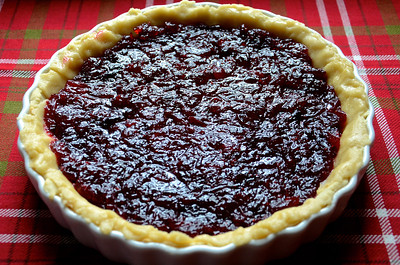
The following tart is one of my all-time favorite ways to use cranberries. Blanketed with homemade royal icing, it has a luscious, sweetly tart taste that any dessert lover will adore. Finally, cranberries get their due!

CRANBERRY BAKEWELL TART
Adapted from Nigella Lawson’s Feast (Hyperion, 2004)

Serves 8 to 10

for the cranberry jam:
2 cups cranberries
3/4 cups plus 2 tablespoons sugar

for the pastry:
1 1/4 cups all-purpose flour
1/3 cup ground almonds
1/3 cup confectioner’s sugar
1 stick plus 1 tablespoon butter, diced
1 egg, beaten
pinch of salt
1-3 tablespoons iced water

for the filling and icing:
1 stick plus 1 tablespoon butter
1/2 cup plus 2 tablespoons sugar
3 eggs
Zest and juice of 1 orange
1 cup cranberry jam (see above)
1 1/4 cup ground almonds
4 cups confectioner’s sugar
2 large egg whites

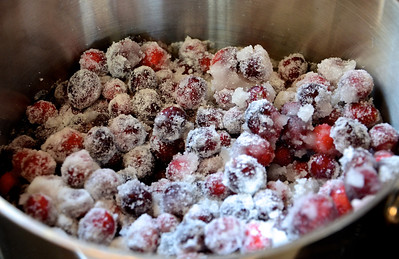
To make the jam, put a few tablespoons of water in a large saucepan. Add the cranberries and sugar and bring to a boil over medium heat, stirring periodically. Cook for 7 minutes or until the cranberries reach a jam-like consistency. Remove from heat and allow to cool.

To make the pastry, place the flour, almonds and confectioner’s sugar in the bowl of a food processor or blender and pulse to combine. Add the diced butter and pulse until the mixture becomes crumbly and almost oatmeal-like.

In a bowl beat together the egg, salt and iced water. Turn on the food processor or blender and, as it’s processing, pour in the liquids so that the pastry binds together. If necessary, add more water until you have a smooth dough.

Form the pastry into a flat disc, cover in plastic wrap and refrigerate.

Preheat the oven to 400 degrees Fahrenheit.

To make the filling and icing, melt the butter and set aside to cool.

Beat together the sugar, eggs and zest. Add the melted butter and stir in the ground almonds.

Roll out the pastry dough to fit a 10-inch, deep, fluted tart pan. Lay the pastry in the pan, pressing down to fit it in, and then prick the bottom with a fork. Spread the cranberry jam over the dough and then pour the almond mixture over the jam.

Bake for 45 minutes, until the filling is puffy and the pastry golden. Remove and cool completely on a wire rack.

Once the tart has cooled, make the icing. In a large bowl beat together the egg whites, sugar and orange juice. If the icing appears too thin, add more sugar; too thick, add more egg whites. You want the icing to be somewhat thick but spreadable. Spread over the tart and allow it to set before serving.

This Holiday Season Have a Scotch … Egg


While I know that the holidays are steeped in tradition, I do like to spice things up a bit by adding a new dish or two to the Thanksgiving menu. This year I’m leaning toward scotch eggs.

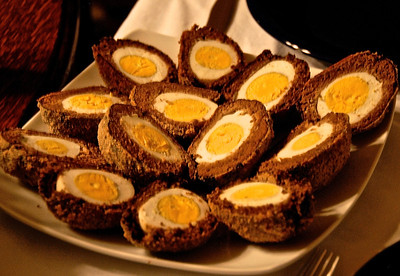
Although it’s now a fixture at British pubs, the scotch egg had tonier beginnings. The posh London department store Fortnum & Mason claims to have created the very first in 1738. Inspired by Indian kofta, a scotch egg consists of a hard-boiled egg encased in ground sausage and seasoned breadcrumbs. Deep-fried until golden brown, it is then cooled and served at room temperature. Nice on its own, it also goes well with dash of hot sauce or splash of gravy.

Sans sauce, a flavorful scotch egg makes for great finger food. Hence why, along with being a pub favorite, this portable treat also shows up at picnics and at English high tea. Its taste, portability and eye-catching appearance likewise make it a welcome addition to the holiday appetizer, dinner or brunch table.

For vegetarian guests I offer a pork-free alternative, substituting veggie meat crumble for the sausage. Pulse that, along with a generous amount of olive oil and seasonings such as thyme, sage and black pepper, in the bowl of a blender or food processor. From here just follow the steps for making traditional scotch eggs. Having tried both regular and veggie versions, I can vouch for each.

The following recipe comes from high school friend and scotch egg master, Bob Richards. His advice for a great scotch egg? Be sure to set up an orderly assembly line.

BOBBY R’s SCOTCH EGGS
Unlike what you’ll find at the pub, these delightful scotch eggs are baked instead of fried. Note that you can also deep- or pan-fry them.
Makes 6

Flour
Milk
Bread crumbs
2 packages pork breakfast sausage (Jimmy Dean Low Fat works best because it doesn’t “shrink” as much)
6 shelled hard boiled eggs

Preheat your oven to 350 degrees Fahrenheit.

Set up your assembly line with separate bowls for the milk, flour and bread crumbs.

Roll out the sausage. You can roll out it out in between to sheets of wax paper with a rolling pin or press it in between 2 cutting boards w/ wax paper (takes a little effort/muscle, but is faster). The sausage needs to be about 1/4-inch thick.

Dip the shelled hard boiled egg in milk, then flour, set it on the sausage and cut out a circle big enough to cover the egg. Wrap it around with your hands into a big meatball then roll in the bread crumbs.

Place the eggs on a baking sheet and bake for 20-30 minutes until the sausage is cooked.

Cool and then cut them in half.

Return to the Pumpkin Patch

I can’t let autumn pass by without mentioning that amazing, globular fall fruit known as the pumpkin. Ranging in size from two to a whopping 800 pounds, this hefty fellow was once relegated to seasonal pies and decor. Today, though, I keep this low-fat, low-calorie, firm-fleshed gourd in my kitchen long past Thanksgiving.

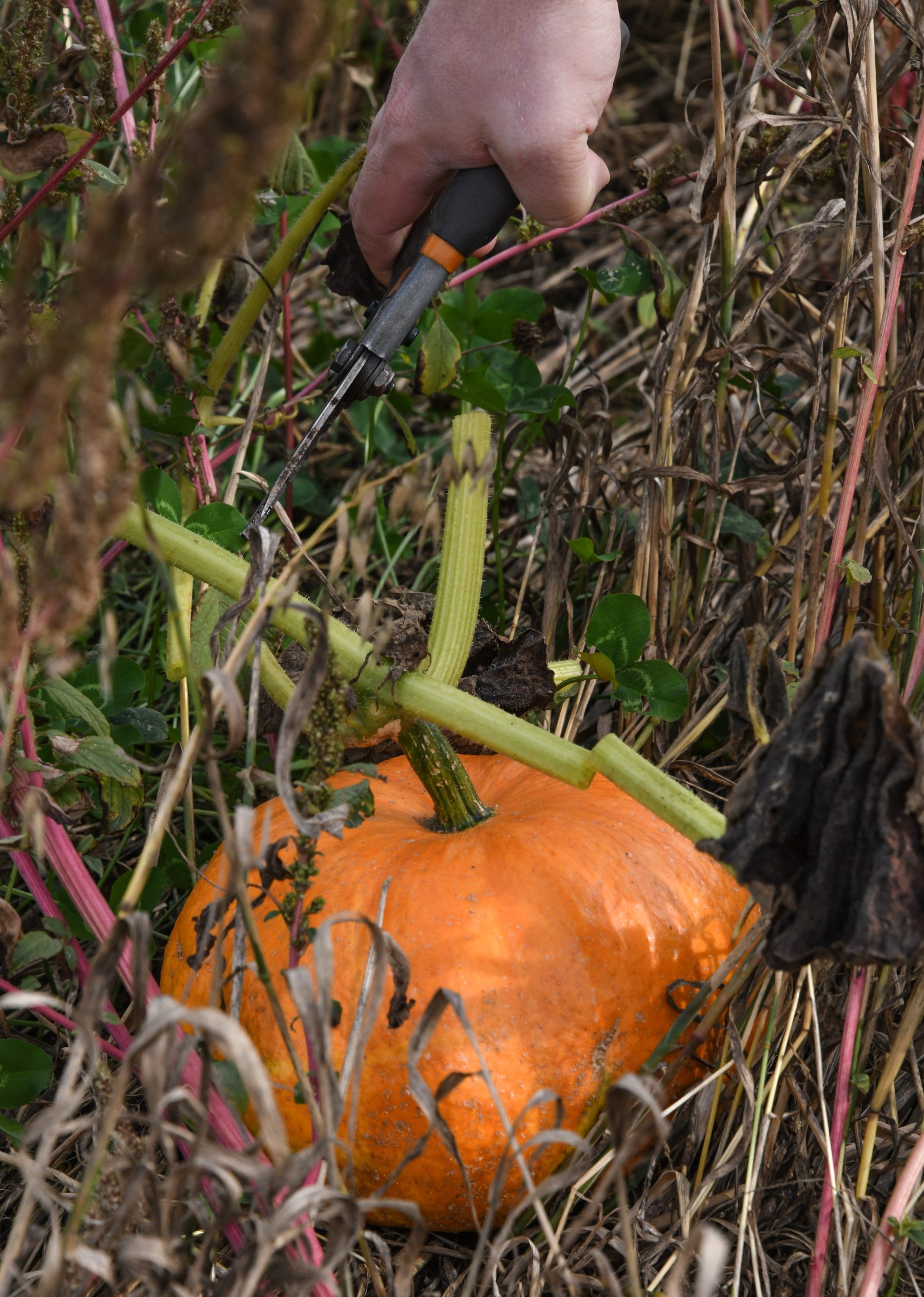
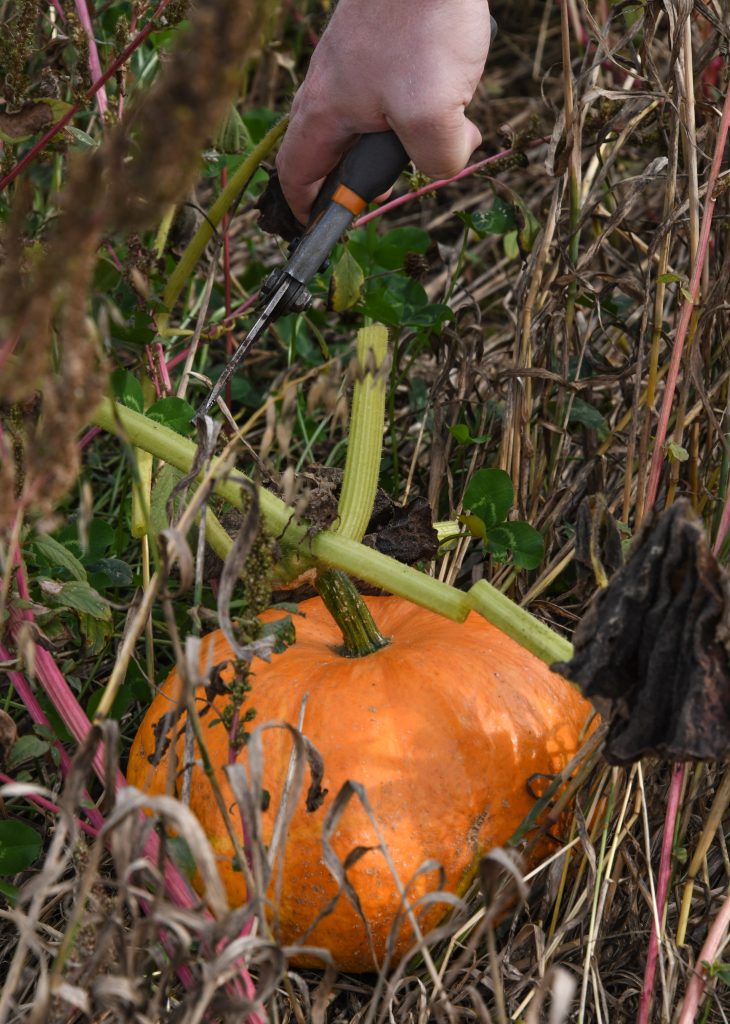
Although I lack the green thumb and good soil to grow pumpkins, thanks to friends who have both, I’ve learned a thing or two about harvesting a great pumpkin. A trailing plant, this winter squash needs space to grow. It likewise requires temperate weather and regular watering.

Mature at 16 weeks, a pumpkin can be picked and stored whole in a cool, dry, dark place for several months. When cut, it must be refrigerated and used within a few days.

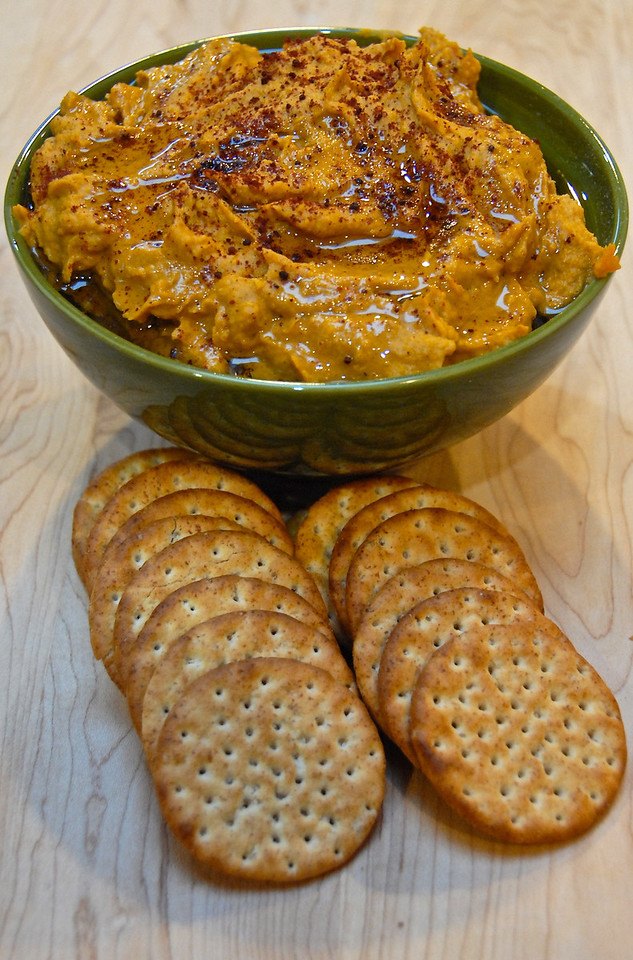
Big bowl of pumpkin hummus

How to use a freshly cut pumpkin? I love turning it into a silky puree. After removing the seeds, I put the pumpkin halves, cut side down, on a rimmed baking sheet and sprinkle a half cup of water over them. I then put the pan in my oven, which has been preheated to 375F, and roast the pieces until tender. Depending on the size of the pumpkin, this takes between 30 to 45 minutes.

Once the halves have cooled, I scrape the flesh from the skin and place it either in the bowl of my food processor or a regular mixing bowl. Based upon the amount of roasted pumpkin, I add several tablespoons of butter – usually one tablespoon per eight ounces of flesh – and process or mash with a big wooden spoon until smooth.

For savory purees I might toss in some dried thyme, minced garlic, salt and pepper. For sweet ones I might include a dash of ginger, nutmeg, cinnamon and honey, brown sugar or maple syrup to taste. Both benefit from a splash of room temperature whipping cream stirred in before serving.

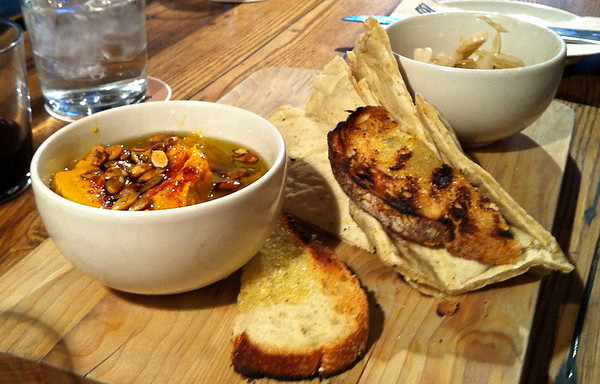
Pumpkin hummus at BackForty West
The inspiration for my pumpkin hummus at BackForty West

Last weekend I ordered a fabulous pumpkin puree, pumpkin hummus, at one of my favorite local, seasonal restaurants, Back Forty West. Below is my take on this dish. To save time and the mess, I’ve substituted canned pure pumpkin for fresh.

Pumpkin Hummus

Serves 2 to 4

15 ounces pure pumpkin
1 clove garlic
2 tablespoons tahini
1/4 teaspoon ground white pepper
1/4 teaspoon all spice
1/2 teaspoon sweet paprika
1/2 teaspoon salt
3 tablespoons extra-virgin olive oil, plus extra for garnish
pinch of ground sumac, for garnish

In the bowl of a blender or food processor place the pumpkin, garlic, tahini, pepper, all spice, paprika, salt and 3 tablespoons oil and puree until smooth. Spoon into a bowl, sprinkle the top with ground sumac and extra-virgin olive oil and serve.